The Rise of Perfect Teeth Culture and the Veneer Trend
Just like small daily habits can transform your life, consistent dental habits can create a lifetime of confident, healthy smiles. Learn more in The Habit Method.
In recent years, the perfect teeth culture has become a defining symbol of modern beauty. From TikTok transformations to celebrity red-carpet smiles, straight, white, and symmetrical teeth are no longer just a luxury—they represent a new standard of perceived confidence and success. As a result, more people are turning toward cosmetic dentistry trends like veneers to achieve their dream smiles almost overnight.
The Evolution of the Perfect Smile Culture
Historically, a healthy smile has always been associated with vitality, youth, and attractiveness. However, the pursuit of dental perfection has evolved dramatically over time. In earlier centuries, natural imperfections were common and acceptable. Today, the rise of advanced dental technologies and digital media has created an era where “camera-ready” teeth are expected.
Social platforms like Instagram and TikTok have amplified this phenomenon. With high-definition filters and influencer content promoting whitening kits and veneers, society’s perception of what a “normal” smile looks like has shifted. Consumers are now more informed—and more self-critical—than ever before. In fact, a survey published by the American Academy of Cosmetic Dentistry found that more than 90% of people believe a beautiful smile enhances their appeal and confidence. — AACD, 2022
What Are Veneers and Why Are They So Popular?
Dental veneers are thin, custom-made shells crafted from porcelain or composite resin that are bonded to the front surfaces of teeth. Their primary goal is to improve the color, shape, and alignment of a person’s smile.
- They can close gaps, correct minor misalignments, and mask discolorations.
- The procedure is minimally invasive compared to orthodontics or crowns.
- They provide an immediate transformation often described as “instant perfect teeth.”
The growing veneer trend 2024 is driven by accessibility. Cosmetic dentistry, once limited to celebrities, is now within reach for many thanks to flexible payment plans, dental tourism, and advancements in minimally invasive options. While cost can vary significantly, with porcelain veneers averaging between $900 and $2,500 per tooth, the rise of digital smile design helps patients visualize their results before treatment begins.
Social Media Influence: TikTok, Instagram, and Celebrity Smiles
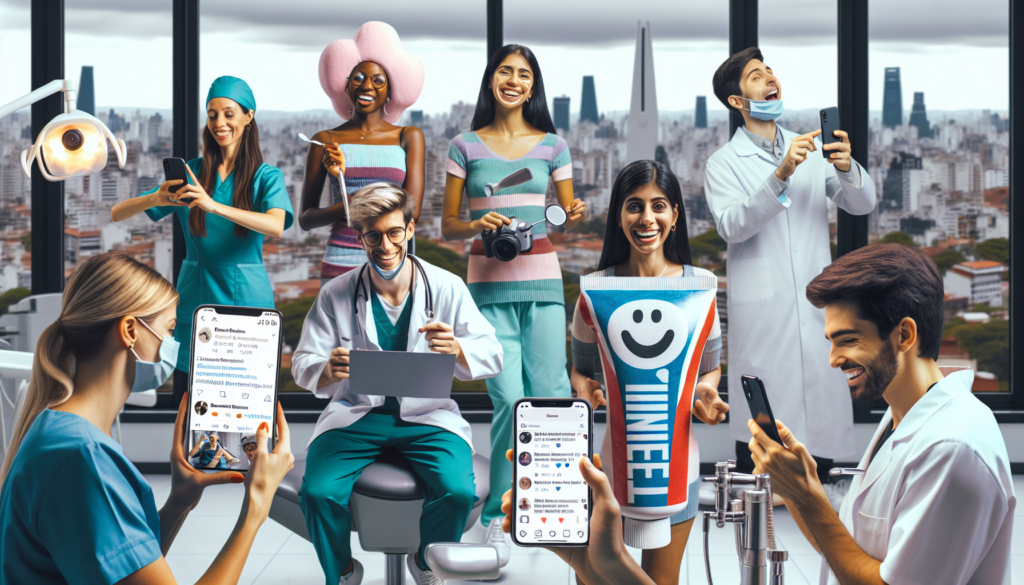
It’s impossible to discuss the TikTok veneer trend without acknowledging the role of social media in shaping expectations. Viral before-and-after videos rack up millions of views, often portraying the transformation as quick, glamorous, and pain-free. Likewise, stars like influencers and TV personalities showcase their dazzling smiles, setting what some critics call “synthetic” standards of beauty.
On Instagram, aesthetics reign supreme. Posts tagged #veneers or #smilemakeover attract millions of impressions monthly. Meanwhile, digital smile design software allows dentists and patients to co-create previews of proposed results, enhancing communication and confidence in cosmetic procedures. However, these online depictions rarely spotlight the maintenance or long-term implications veneers require, a point every patient should understand before undergoing treatment.
The Psychology Behind the Pursuit of a Perfect Smile
At its core, the desire for a perfect smile is not just physical—it’s deeply psychological. People associate straight, white teeth with hygiene, trustworthiness, and success. Studies suggest that individuals with aesthetically pleasing smiles are often perceived more positively in social and professional interactions. — Journal of Esthetic and Restorative Dentistry, 2021
However, this cultural obsession with perfection can also take a toll. The constant pressure to look flawless can increase anxiety, self-consciousness, and dissatisfaction, especially among younger generations navigating online comparison culture. Striking a balance between self-improvement and self-acceptance is key to maintaining both mental and dental health.
The Hidden Side of Veneers: Dental Health and Authenticity Concerns
While veneers can deliver beautiful results, they are not without risk. Each preparation requires removal of a small portion of tooth enamel—a permanent process. Over time, veneers may need to be replaced due to wear, discoloration at the gum line, or damage.
- Tooth sensitivity can occur after veneer placement due to enamel reduction.
- Gum irritation may arise if veneers extend too close to the gum margin.
- Maintenance involves regular professional cleaning and care to prevent complications.
Moreover, the authenticity debate continues to grow. There’s an ongoing cultural shift questioning whether “perfection” should replace individuality. Many patients today express a preference for natural, conservative enhancements rather than an overly “uniform” look—leading to what experts call the authentic beauty vs perfection movement within aesthetic dentistry.
The Future of Smile Aesthetics: Balance Between Confidence and Realism
The future of modern smile aesthetics appears to lean toward balance—where beauty meets wellness. Dentists increasingly advocate for procedures that harmonize function, health, and esthetics rather than pure visual appeal. “Natural-looking veneers,” which use translucent porcelain and personalized shading, are becoming the preferred standard.
Patients, too, are more informed. They value preventive care and personalized confidence over fleeting perfection. This shift mirrors a broader wellness trend: embracing individuality, daily self-care, and gratitude for progress rather than unattainable ideals. Like any other aspect of personal health, a beautiful smile starts with small, consistent habits that preserve long-term wellbeing.
Frequently Asked Questions
1. How long do dental veneers last?
With proper care, veneers typically last 10–15 years, although high-quality porcelain veneers may last longer. Good oral hygiene and avoiding habits like teeth grinding or biting hard objects help extend their lifespan.
2. Are veneers reversible?
Because a thin layer of enamel must be removed during preparation, veneers are considered an irreversible procedure. However, newer ultra-thin options may preserve more natural tooth structure.
3. Do veneers protect against tooth decay?
Veneers themselves do not prevent decay. Patients must maintain routine brushing, flossing, and dental check-ups to protect the underlying teeth. — American Dental Association
4. Are veneers painful to get?
The process is generally comfortable. Dentists use local anesthesia during preparation, and mild post-procedure sensitivity is normal. Discomfort usually resolves within a few days.
5. What’s the difference between cosmetic and restorative dentistry?
Cosmetic dentistry focuses on appearance—enhancing color, shape, and alignment—while restorative dentistry repairs or replaces damaged teeth to restore function. Learn more in our guide: Cosmetic Dentistry vs. Restorative Dentistry.
Conclusion
The rise of perfect teeth culture reflects more than aesthetic ambition—it represents society’s desire for confidence, health, and belonging in a visually driven world. Veneers and other cosmetic dentistry innovations have the power to boost self-esteem, but true beauty comes from authenticity and balance.
As we continue to redefine modern smile aesthetics, remember that perfection is not the goal—confidence and self-care are. And, just like any journey of improvement, it starts with small, consistent daily actions. Explore more healthy life habits in The Habit Method.
Post Disclaimer
DentalUp is for educational purposes only and cannot accept personal dental information such as x-rays, photos, or treatment details. See full disclaimer here.