Discover how shaping better habits creates better smiles — explore the connection between human potential and innovation from *The Habit Method* and today’s cutting-edge dental technology.
3D Systems Launches FDA-Approved Digital Denture Breakthrough
Introduction — A Major Milestone in Digital Dentistry
The world of digital dentistry has officially reached a new era. With the announcement that 3D Systems’ innovative digital denture solution has received full FDA approval, the dental industry stands on the brink of a transformation that merges precision engineering with personalized patient care. This advancement not only validates the safety and quality of 3D-printed dental prosthetics but also streamlines production and ensures more consistent results.
Digital dentures are not just a technological novelty—they are actively reshaping clinical workflows, dental lab coordination, and patient experiences. By leveraging advanced additive manufacturing and specialized materials, dentists can now deliver customized, comfortable dentures with shorter timelines and unmatched accuracy.
What Is 3D Systems’ FDA-Approved Digital Denture?
The new denture solution by 3D Systems represents a complete reinvention of the traditional denture fabrication process. Rather than relying on manual impressions and multiple fittings, this FDA-approved digital approach integrates advanced scanning, design software, and high-precision 3D printing.
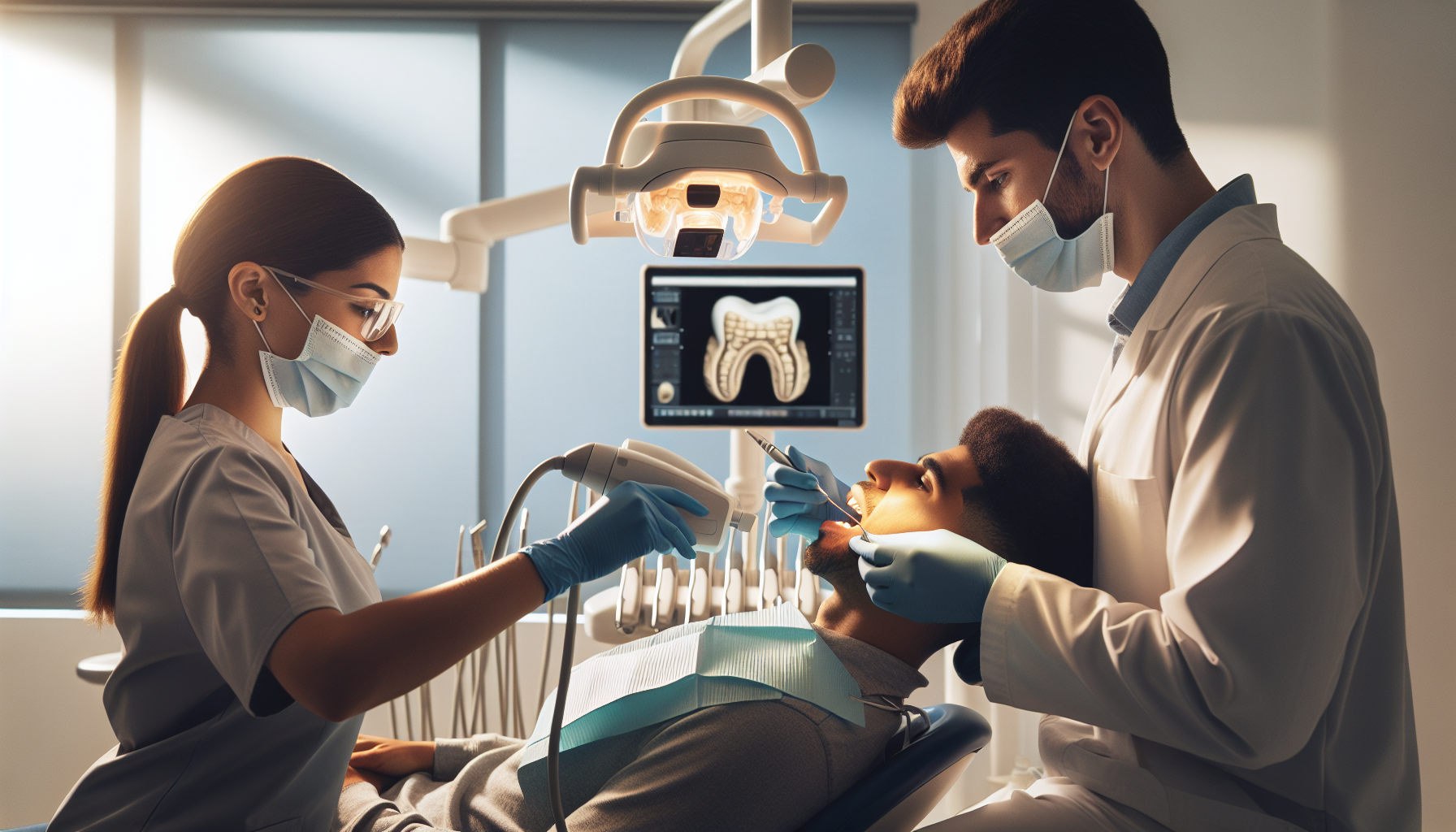
The process begins with a digital intraoral scan of the patient’s mouth, which is converted into a detailed 3D model. Using state-of-the-art CAD/CAM software, dentists or lab technicians design dentures customized down to micron accuracy. This digital file is then printed with biocompatible materials specifically formulated for durability, aesthetics, and comfort.
Traditional workflows often required weeks between impressions, adjustments, and final fittings. Now, with digital workflows, everything from design to manufacturing can be completed in a matter of days—sometimes even hours.
How This Digital Denture Solution Works
The mechanics behind 3D Systems’ digital denture technology rely on the seamless integration of software and hardware.
- Digital scanning: High-accuracy intraoral scanners capture a precise representation of the patient’s oral anatomy without messy impressions.
- Design optimization: Proprietary dental design software generates a virtual model to ensure ideal fit, occlusion, and aesthetics.
- Material selection: FDA-approved resins and polymers mimic gum tissue and tooth color, delivering natural results.
- 3D printing and post-processing: Additive manufacturing produces the denture base and teeth layers with excellent reproducibility. Post-curing enhances strength and polish.
- Final fit and integration: Because the digital file ensures consistency, adjustments are minimal, reducing chair time and improving patient experience.
This digital workflow empowers clinicians to collaborate closely with dental labs, enhancing communication while cutting down manual steps. The outcome: faster service delivery and improved quality control.
Benefits of 3D Systems’ Digital Denture Technology
Digital dentures are redefining prosthetic standards in terms of speed, comfort, and quality. The key benefits include:
- Accelerated production: Same-day or next-day denture delivery drastically reduces patient wait times.
- Superior precision and comfort: Digital design ensures a better fit from the start, minimizing the need for remakes or relines.
- Customization for every patient: Individualized digital files allow for adjustments, reproductions, and upgrades without new impressions.
- Cost efficiency: By automating key steps, dental labs save time and resources while preserving accuracy.
- Eco-friendly process: Additive manufacturing produces less material waste than conventional methods.
This innovation supports modern practices aiming for high-quality results and sustainability, giving dental professionals a competitive advantage in patient satisfaction.
Impact on the Dental Industry
FDA approval of 3D Systems’ digital denture solution is a defining moment for clinical dentistry. It signifies regulatory confidence in 3D printing’s capability to produce reliable, long-term dental prosthetics that meet stringent safety and performance standards.
The industry implications are vast: dental labs can streamline workflows, clinicians can accelerate treatment timelines, and patients can benefit from aesthetic, durable dentures with fewer visits.
“FDA approval ushers in a future where 3D printed dentures set the standard for efficiency and precision in oral rehabilitation.”
— Industry analysts on additive manufacturing in healthcare
As adoption increases, we can expect other dental prosthetics—such as partials, crowns, and bridges—to follow this digital evolution, further integrating CAD/CAM and additive technologies into mainstream care.
The Future of Digital Dentistry and Additive Manufacturing
Looking ahead, digital dentistry will continue to merge personal care with automated precision. Trends show an expanding role for AI-enabled design software, next-generation resins that mimic organic tissue, and integrated treatment platforms that connect chairside design with lab production in real time.
Sustainability and scalability are also shaping innovation. Biocompatible and recyclable materials reduce environmental impact, while digital recordkeeping enables cloud-based storage for efficient patient data management.
Within a few years, dental offices and laboratories may routinely use additive systems for a variety of prosthetics beyond dentures—including orthodontic devices, implants, and full-arch restorations. The ongoing evolution of 3D Systems’ technology underscores how adaptable additive manufacturing can be in meeting healthcare demands.
Final Thoughts — 3D Systems Leading the Next Dental Revolution
The FDA’s approval of 3D Systems’ digital denture technology represents more than a milestone in dental innovation—it demonstrates the synergy between human expertise and automation. As patients increasingly demand faster, more customized solutions, digital dentures pave the way for reliable, aesthetic, and patient-centered care.
This milestone reflects not only a technological triumph but also a philosophical shift: precision, efficiency, and empathy must coexist in modern dentistry. By embracing platforms that integrate seamlessly between clinicians and laboratories, 3D Systems reaffirms its leadership in digital health innovation.
Frequently Asked Questions
- What makes 3D Systems’ digital dentures different from traditional dentures?
Digital dentures are designed using 3D scans and printed using FDA-approved materials, resulting in a more accurate fit and faster production. - Why is FDA approval important for digital dentures?
FDA approval verifies that the materials and manufacturing processes meet safety and performance standards, ensuring patient confidence. - How long does it take to get digital dentures made?
Production can take as little as one day compared to several weeks for traditional methods, depending on the practice and lab workflow. - Are 3D printed dentures durable and comfortable?
Yes. The printed polymers and resins used maintain strength and comfort, closely replicating the density and feel of natural tissue. - Can digital dentures be adjusted or replaced easily?
Because the design file is stored digitally, duplicates or modifications can be reprinted quickly without starting from scratch.
The convergence of FDA regulation, additive manufacturing, and digital dentistry marks a profound advancement for patients and practitioners alike. Those ready to embrace this innovation will find that precision and compassion can truly work hand in hand.
Explore how your daily habits can drive personal and professional breakthroughs — as revealed in *The Habit Method*, where sustainable routines lead to transformation just as precision technologies are reshaping tomorrow’s dentistry.
Post Disclaimer
DentalUp is for educational purposes only and cannot accept personal dental information such as x-rays, photos, or treatment details. See full disclaimer here.