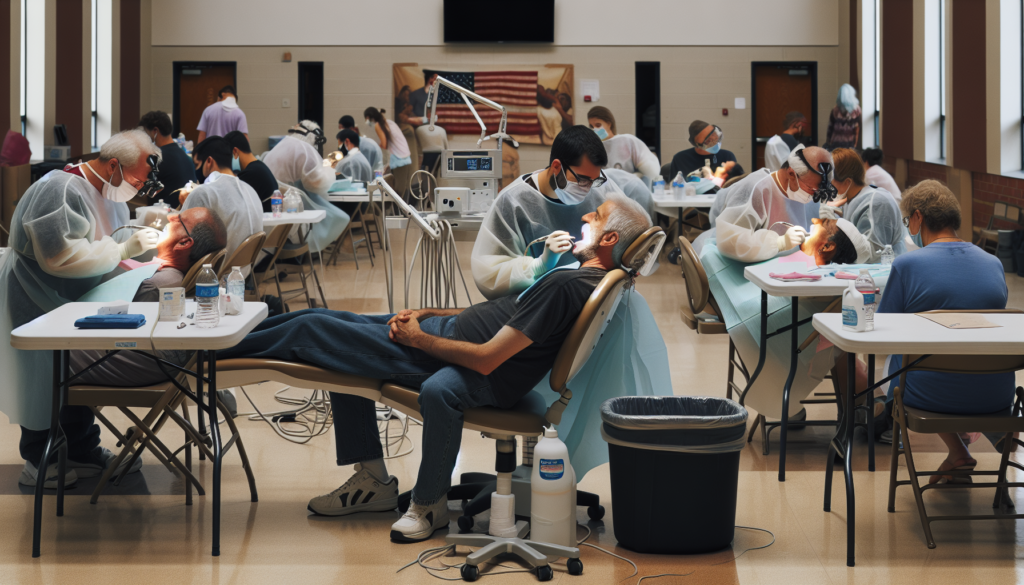
Improving Public Understanding of NHS Dental Care Pathways and Teams
Build lasting, positive health habits that align with human nature—discover how small, mindful changes create big results in both oral health and everyday life. Learn more about this approach in The Habit Method.
Introduction: Why Clear Communication in NHS Dental Care Matters
Access to NHS dental services is essential for maintaining nationwide oral health. Yet, many people still find the system confusing—unsure of what treatments are available, how care pathways function, or which dental professional to see for specific needs. Improving the public’s understanding of NHS dental care pathways and team roles is a crucial step towards building trust, reducing anxiety, and empowering patients to take control of their dental health.
Clear communication strengthens the dentist-patient relationship and ensures patients are informed participants in their treatment journeys. When people understand what to expect, they are more confident in attending regular check-ups and following through on recommended care plans.
What Are NHS Dental Care Pathways?
In the NHS, dental care pathways refer to structured processes that outline how a patient moves from initial consultation to treatment and ongoing maintenance. These pathways are designed to ensure consistency and quality, regardless of where a patient receives care. They help clinicians provide tailored treatment while guiding patients step-by-step through their oral health journey.
A typical pathway might include:
- Initial Assessment: Your first appointment, where the dentist evaluates your overall oral health and identifies immediate or potential issues.
- Treatment Planning: Based on your assessment, the dentist discusses available NHS treatment options and any related charges.
- Preventive Advice: Hygienists or therapists may provide education on hygiene, diet, and lifestyle habits.
- Follow-Up Visits: Appointments for treatment, review, and maintenance to ensure sustained oral health improvements.
This structured system helps patients progress through the NHS dental service smoothly, ensuring equitable access to both routine and complex care.
The Roles Within the NHS Dental Team
The strength of the NHS dental service lies in its multidisciplinary structure. Each professional plays a defined role in delivering comprehensive care, from diagnosis to prevention and education.
Dentists
Dentists lead the clinical team. They diagnose oral health problems, create treatment plans, and perform restorative procedures such as fillings, crowns, and extractions. Dentists also refer patients to other specialists when more advanced care is needed.
Dental Hygienists
Hygienists focus on preventive care. They perform deep cleanings, remove plaque and tartar, and teach effective brushing and flossing techniques to lower the risk of gum disease. Their guidance supports long-term dental health and reduces the need for invasive treatments.
Dental Therapists
Dental therapists carry out many of the same procedures as dentists within their scope, including fillings, polishing, and preventive treatments. They are often at the forefront of patient education, promoting good habits from an early age.
Dental Nurses
Dental nurses provide essential clinical and emotional support. They assist during treatments, maintain sterilisation standards, and help reassure patients, particularly those anxious about dental procedures.
Together, these roles form a coordinated network that supports the delivery of safe, efficient, and patient-centred NHS dentistry.
Common Misunderstandings About NHS Dental Care
Despite its availability, NHS dental care is often misunderstood. Addressing these misconceptions is key to improving patient engagement and reducing barriers to treatment.
- “NHS dentists are free.” Not all treatments are free. While emergency care and check-ups for certain groups may be complimentary, most adult patients pay a set, affordable NHS band charge for treatment.
- “All dental work is covered by the NHS.” Cosmetic procedures, such as teeth whitening, are not included under standard NHS dental care.
- “Appointments are impossible to get.” While demand can exceed capacity in some areas, staying on NHS practice lists and booking in advance can help maintain continuity of care.
- “I need a referral just to see a dentist.” In most cases, referrals are only required for specialist services—patients can register directly with an NHS dentist for routine care.
Clarifying these areas improves transparency and helps patients make informed decisions about care through the correct dental care pathways.
Improving Transparency and Access to NHS Dental Services
To build public confidence, the NHS and dental practices must work collaboratively to share clear, accessible information. Knowledge empowers patients to prioritise oral health and seek care promptly.
Practical strategies to improve public understanding include:
- Consistent Digital Information: Ensuring NHS and dental practice websites explain treatment bands, eligibility, and referral processes clearly and simply.
- Community Engagement: Running local education campaigns or school visits that highlight how preventive care prevents complex dental problems.
- Transparent Communication: Dentists taking extra time to explain procedures, costs, and next steps during consultations.
- Collaborative Learning: Sharing educational materials jointly developed by NHS bodies and oral health charities.
When information is straightforward and patient-focused, individuals feel more confident navigating their healthcare. This fosters trust between patients and professionals while improving treatment compliance.
Benefits of Strengthening Public Understanding
Improved understanding of the NHS dental system benefits both patients and providers. Educated patients are proactive, more likely to attend appointments, and less likely to experience preventable oral health conditions.
Key benefits include:
- Increased Patient Confidence: People who understand their care options are more comfortable seeking help and more likely to maintain regular dental visits.
- Efficient Service Use: Clear communication reduces missed appointments and ensures that NHS resources are used appropriately.
- Better Oral Health Outcomes: Awareness and prevention education lead to fewer emergency cases and long-term improvements in oral hygiene.
- Enhanced Teamwork: Patients who grasp each team member’s role see dentistry as a holistic partnership rather than a one-off visit to fix a problem.
“An informed patient is an empowered patient—transparency creates trust and shared responsibility for health.”
— NHS Oral Health Education
Conclusion: Building Trust Through Transparent NHS Dental Care
The NHS dental service is built upon values of equality, accessibility, and preventive care. Strengthening public understanding of dental care pathways and team roles ensures that these goals are not just ideals but realities experienced by every patient. As the NHS evolves, clear communication and patient education must remain at the heart of its mission—guiding people toward a lifetime of better oral health and wellbeing.
To nurture these habits beyond the clinic, discover how aligning with human nature can reshape everyday behaviours for sustained wellness. Explore The Habit Method and begin building health habits that last a lifetime.
Frequently Asked Questions
1. What does an NHS dental care pathway include?
An NHS dental care pathway outlines the sequence of patient care—from check-up and diagnosis to treatment and prevention—helping ensure consistent, high-quality care across dental practices.
2. Are all treatments free under the NHS?
No. While some groups qualify for free care, most adult NHS treatments fall into specific cost bands designed to keep services affordable and accessible.
3. How can I find an NHS dentist near me?
You can use the NHS website or contact your local health authority to find practices accepting new NHS patients. It’s best to register early to maintain ongoing care.
4. Who is part of the NHS dental team?
The NHS dental team includes dentists, dental hygienists, dental therapists, dental nurses, and administrative staff—all collaborating to deliver personalised patient care.
5. How does better public understanding improve oral health?
When patients understand how NHS pathways work, they’re more likely to attend routine check-ups, follow advice, and take preventive action—resulting in healthier smiles and fewer emergencies.
Post Disclaimer
DentalUp is for educational purposes only and cannot accept personal dental information such as x-rays, photos, or treatment details. See full disclaimer here.