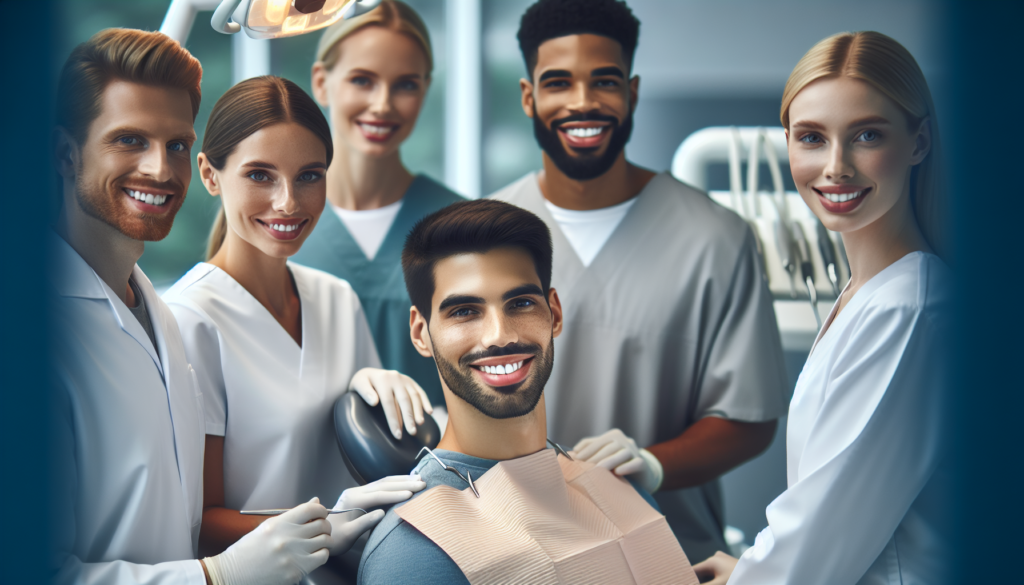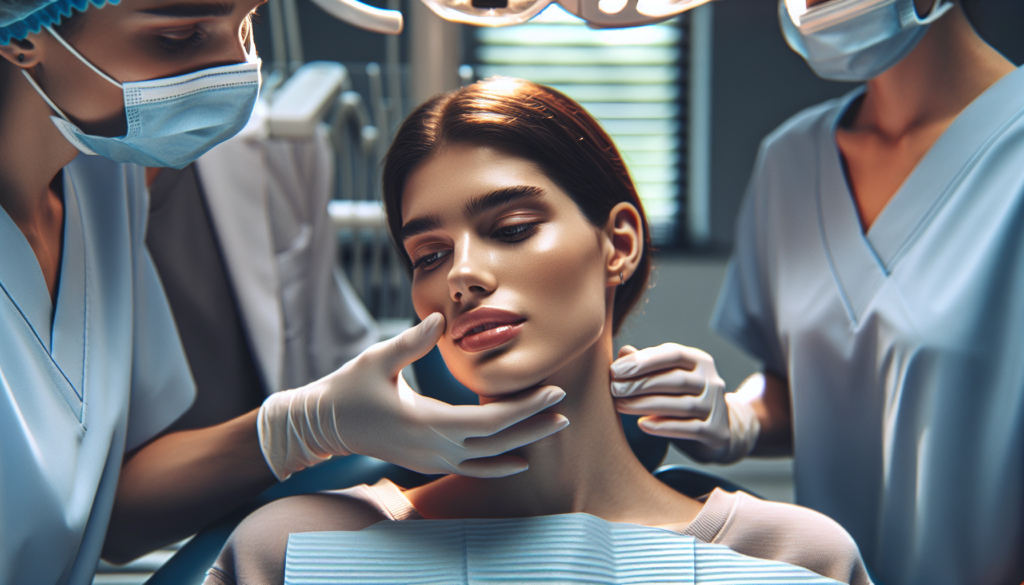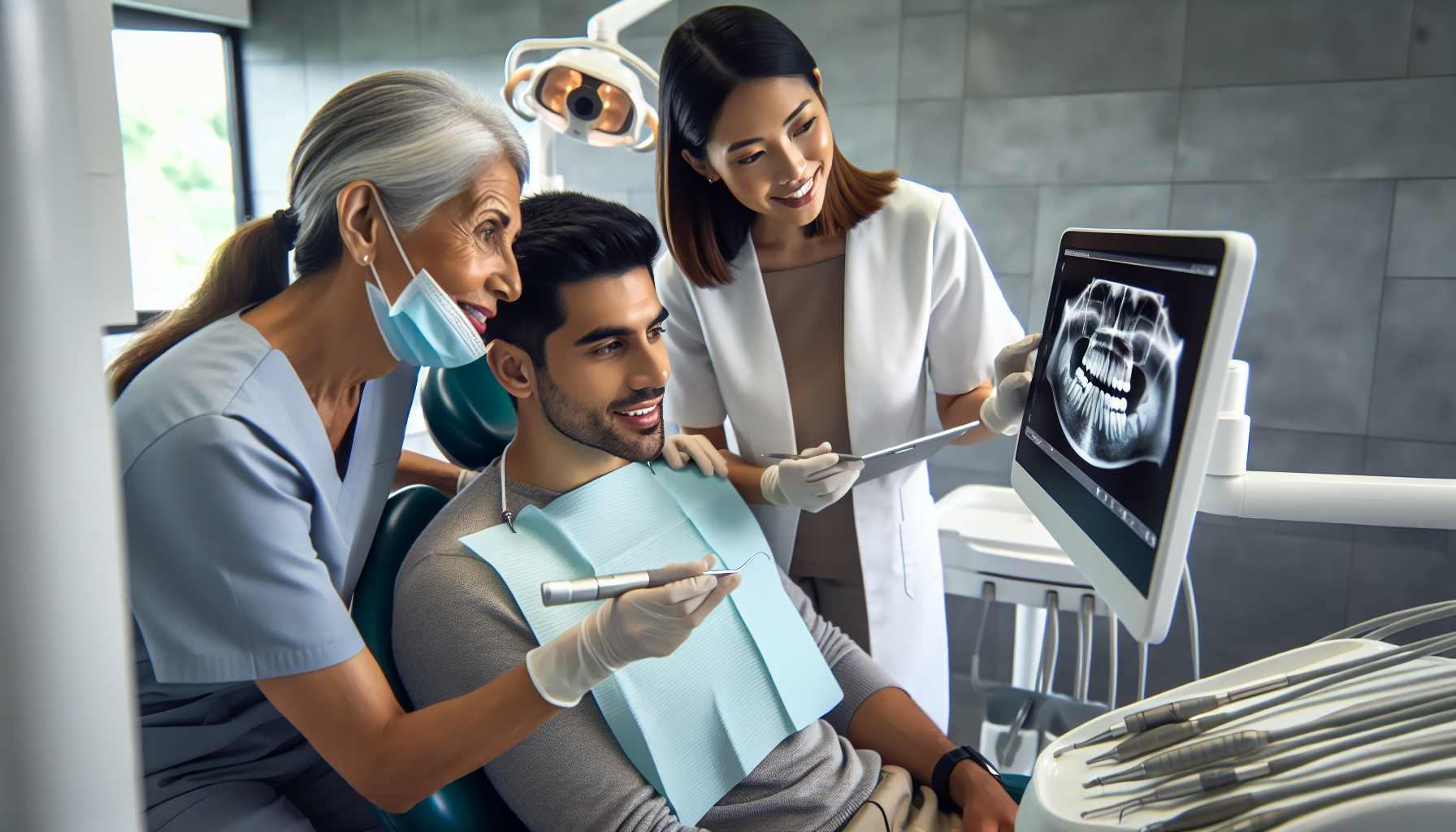
Revolutionizing Smiles with Cutting-Edge Digital Dentistry Technology
The Evolution of Modern Dentistry
Over the past decade, dentistry has undergone a dynamic transformation, thanks to rapid technological advancements. From once relying solely on manual skills and analog tools, the modern dental practice has evolved into a digital powerhouse of precision and personalization. This intersection between technology and healthcare is not just revolutionizing smiles—it’s redefining patient experience.
Today’s digital dentistry technology empowers clinicians to deliver faster, more accurate, and more comfortable treatments. Patients can now preview their future smiles before beginning treatment, making dentistry more collaborative and outcomes more predictable.
What Is Digital Dentistry and Why It Matters
Digital dentistry encompasses any dental technology or device that uses digital or computer-based components instead of mechanical or electrical tools. It applies to imaging, diagnosis, treatment planning, and even patient communication. The key difference lies in precision and efficiency—less guesswork, more data-driven outcomes.
For dental professionals, the transition to digital workflows means increased productivity and fewer remakes through reduced human error. For patients, it translates into more convenience and comfort, with treatments that fit seamlessly into busy lifestyles.
- Enhanced accuracy through real-time imaging and digital impressions
- Shorter chair time and fewer appointments
- Personalized treatment outcomes using AI and 3D modeling
- Better communication and patient education through visual tools
The Power of 3D Imaging in Dental Diagnostics
3D imaging has become the cornerstone of modern diagnostics. Technologies such as intraoral scanners and Cone Beam Computed Tomography (CBCT) allow dentists to view structures in incredible detail—beyond what traditional X-rays could ever reveal.
By capturing every contour of a patient’s mouth, 3D imaging supports highly accurate diagnoses and treatment planning. It enables the design of perfectly fitting crowns, aligners, and implants. Patients benefit from improved safety, as these systems can detect issues early and monitor progress throughout treatment.
With advanced imaging, dental professionals can provide evidence-based care that aligns with global healthcare’s growing emphasis on precision medicine.
AI-Powered Dentistry: Smarter Diagnostics and Predictive Treatment Planning
One of the most exciting developments in AI dental technology is its capability to interpret data from scans and photos automatically. Artificial intelligence algorithms can identify cavities, gum disease, and orthodontic irregularities at early stages—sometimes even before symptoms appear. This proactive approach allows for timely interventions and better patient outcomes.
AI systems are also supporting predictive treatment planning. By analyzing patterns from thousands of previous cases, AI helps clinicians anticipate challenges and select optimal techniques. As a result, patients enjoy faster treatments and more predictable aesthetic results.
“AI is not replacing dentists—it’s empowering them to make smarter, faster, more accurate decisions.”— Dental Technology Review, 2025
Precision Treatment Planning with Digital Tools
The integration of CAD/CAM systems (Computer-Aided Design and Computer-Aided Manufacturing) represents a milestone in restorative dentistry. These technologies allow same-day crowns, veneers, and bridges to be designed, milled, and placed with unmatched precision. The result? Stronger restorations, better fit, and optimal aesthetics.
Similarly, 3D printing continues to move dentistry into a fully digital realm. Custom models, surgical guides, and aligners can now be fabricated with microscopic accuracy in dental labs or even in-office. This flexibility strengthens the relationship between clinical expertise and digital craftsmanship.
- CAD/CAM eliminates the need for messy impressions
- Digital workflows enhance collaboration between dentists and labs
- 3D-printed restorations streamline production and reduce costs
Enhancing Patient Experience through Digital Workflow
Patients now expect more than treatment—they expect an experience. Digital workflows make that possible. From virtual consultations to chairside simulations, patients can visualize every step of their dental journey.
Intraoral scanners replace traditional molds, ensuring comfort. Digital impressions allow for faster communication with labs. And through virtual treatment simulations, patients can see their new smiles before any procedure begins, boosting confidence and trust.
- Fewer appointments due to integrated digital systems
- Comfortable scanning methods for a stress-free experience
- Visual previews for informed, confident decisions
The Future of Digital Dentistry: Trends and Innovations
The dental landscape will continue to evolve as emerging technologies refine both diagnostics and techniques. Innovations such as augmented reality (AR) in dental training, robotic-assisted implant surgery, and tele-dentistry are already reshaping global practices. The next generation of tools will make treatments even more precise, accessible, and patient-centered.
However, the success of future dentistry lies not only in adopting new devices—but in continuous education. Clinics that invest in digital learning and upskilling their teams will remain at the forefront of innovation, delivering exceptional care and results.
Why Modern Dental Practices Must Embrace Digital Transformation
Embracing digital transformation is no longer optional—it’s essential for growth. Clinics integrating digital technologies experience higher patient satisfaction, improved workflow efficiency, and stronger brand trust. Digital tools also give dental professionals valuable insights through data collection and analytics, ultimately leading to better decision-making.
More importantly, technology fosters human connection. When time-consuming manual tasks are minimized, dental teams can focus more on patient communication and compassion—the heart of healthcare.
In a world where precision meets personalization, digital dentistry bridges technology with humanity, ensuring every patient is cared for with accuracy, empathy, and innovation.
Conclusion: Creating Brighter, Healthier Smiles with Digital Dentistry
Digital dentistry marks a pivotal shift toward precision, comfort, and limitless possibilities. Whether it’s 3D imaging, AI-powered analytics, or same-day restorations, the fusion of innovation and care is empowering both professionals and patients.
For dental practices ready to lead in this digital era, now is the moment to embrace transformation. Your patients—and their smiles—will thank you for it.
Frequently Asked Questions
1. What is digital dentistry?
Digital dentistry refers to the use of digital tools, technologies, and software for diagnostics, treatment planning, and dental manufacturing. It includes everything from 3D scanning and CAD/CAM systems to AI-based diagnostic software.
2. How does 3D imaging improve dental treatments?
3D imaging provides highly detailed, accurate representations of teeth, bone, and soft tissue. This precision leads to better diagnoses, safer procedures, and customized restorations that fit perfectly.
3. What are the benefits of CAD/CAM technology?
CAD/CAM dentistry allows for same-day restorations such as crowns and veneers. It ensures precise fabrication, reduces waiting time, and eliminates the discomfort of traditional impressions.
4. Is AI really useful in dentistry?
Yes. Artificial intelligence supports diagnostic accuracy, predictive treatment planning, and patient monitoring. It allows dentists to detect issues earlier and create more efficient care pathways.
5. What does the future of digital dentistry look like?
The future points toward AI-driven clinical decisions, robotic surgery, AR training, and enhanced patient connectivity through teledentistry—all designed to make dental care smarter, faster, and more human-centered.
Post Disclaimer
DentalUp is for educational purposes only and cannot accept personal dental information such as x-rays, photos, or treatment details. See full disclaimer here.