Dangerous TikTok Teeth Trends Dentists Warn You to Avoid
Just like small daily habits can transform your life, consistent dental habits can create a lifetime of confident, healthy smiles. Learn more in The Habit Method.
In the age of social media, TikTok trends spread faster than ever—especially those promising a perfect white smile or quick cosmetic “fixes.” Millions of users are trying “DIY dental hacks,” but many of these so-called beauty trends come at a steep cost to oral health. Dentists worldwide are raising alarms about the potential dangers lurking behind these viral videos.
The Rise of TikTok Teeth Hacks and Why They’re Going Viral
From celebrity-inspired smile makeovers to budget-friendly “fixes,” TikTok has become a hub for creative, if sometimes risky, beauty experimentation. Common viral trends include:
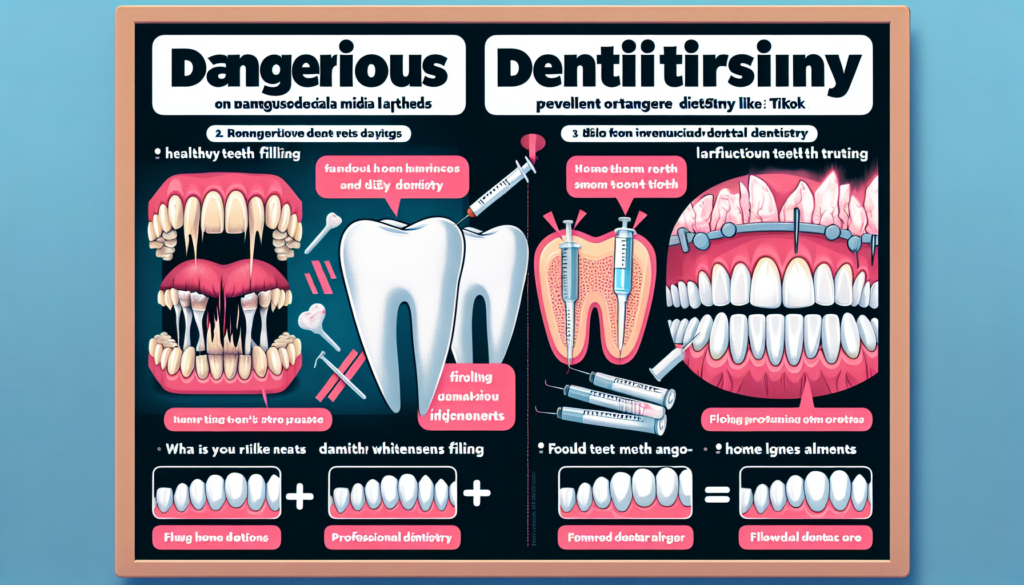
- Filing teeth with nail files or metal tools to “even out” crooked edges.
- DIY whitening hacks using household items like baking soda, lemon juice, or hydrogen peroxide.
- Closing gaps with rubber bands to act like makeshift braces.
- At-home veneer hacks with glue or adhesive materials.
Creators often show seemingly instant results, convincing millions of viewers that these inexpensive, quick fixes are safe. Yet what the videos don’t reveal are the long-term consequences or the irreversible damage that can result.
According to a 2023 American Dental Association (ADA) survey, nearly 1 in 5 dental patients aged 16–25 admitted trying a social media-inspired oral health “hack.” This alarming trend highlights how the pursuit of beauty shortcuts can overshadow evidence-based care.
Why DIY TikTok Teeth Hacks Are Dangerous for Your Dental Health
Even seemingly harmless “life hacks” can permanently damage your teeth. Unlike hair or nails, enamel cannot regenerate once it is worn away. Below are some of the most serious risks associated with viral dental trends:
- Enamel erosion: Scraping or applying acidic ingredients removes the protective layer of your teeth.
- Gum injury: Sharp tools, chemicals, and rubber bands can tear gum tissue, leading to infections and recession.
- Tooth misalignment: DIY straightening efforts often move teeth unpredictably, damaging roots or bone structure.
- Sensitivity and pain: Exposed dentin from filing or whitening abuse causes increased tooth sensitivity and discomfort.
- Long-term aesthetic issues: Damaged enamel can discolor permanently, leading to costly restorative care later.
According to Journal of the American Dental Association (JADA), 2022, whitening products or mechanical abrasion not supervised by dentists can result in mineral loss and microcracks that allow bacteria to accumulate.
The Most Harmful TikTok Dental Trends to Avoid
Filing Teeth with Nail Files or Metal Tools
Videos showing people using emery boards to “even out” uneven teeth may get millions of views, but this habit effectively removes protective enamel. Without enamel, teeth become thin, sensitive, and vulnerable to decay. Restoring filed teeth often requires dental bonding or crowns—costly procedures to repair what a few viral seconds destroyed.
— ADA MouthHealthy, “Don’t File Your Teeth at Home,” 2023
DIY Whitening Using Baking Soda, Lemon Juice, or Hydrogen Peroxide
These substances may create a temporary illusion of whitening but are extremely abrasive or acidic. Lemon juice (with a pH of ~2) softens enamel, while hydrogen peroxide concentrations above safe levels burn soft tissues and destroy the natural enamel matrix. Baking soda scratches the surface, leading to dull, uneven coloration over time.
— American Academy of Cosmetic Dentistry (AACD), 2021
Rubber Band Teeth Straightening Trend
This trend encourages placing small rubber bands around teeth to “close” gaps without braces. In reality, the rubber bands can slide under gums, cutting off blood flow, loosening teeth, and causing irreversible bone loss. Orthodontic movement requires precise, controlled pressure—not random force applied by rubber materials.
— American Association of Orthodontists (AAO), 2020
At-Home Veneer and Glue Hacks
Gluing on fake veneers or cosmetic shells seen in viral videos may seem like a fun makeover, but adhesives not designed for oral use can contain toxins or damage natural enamel. They also trap bacteria and food debris beneath surfaces, leading to decay and gum infections.
What Dentists Recommend Instead
Rather than risking permanent damage for a quick aesthetic change, dentists recommend safe, evidence-based alternatives that protect your teeth while enhancing your smile.
- Professional whitening: Custom trays and dentist-monitored solutions minimize sensitivity and produce uniform results.
- Orthodontic treatment: Clear aligners and braces move teeth safely under supervision, avoiding bone or root damage.
- Regular dental check-ups: Twice-yearly visits allow early detection of wear, discoloration, or misalignment issues.
- Healthy diet habits: Reducing acidic food and drink protects enamel while promoting natural whiteness.
- Proper brushing and flossing: Fundamental, daily care remains the most effective way to preserve long-term oral beauty.
Remember: dental professionals spend years studying tooth biology, chemistry, and safe treatment techniques. There’s no replacement for that expertise, and no TikTok shortcut worth losing your smile.
Safe Alternatives for a Whiter, Healthier Smile
If your goal is a brighter, healthier smile, there are safe alternatives backed by science and approved by dental organizations.
- Use ADA-approved whitening toothpaste: These formulations gently lift surface stains without weakening enamel.
- Professional whitening vs. over-the-counter kits: In-office treatments offer faster, safer results under expert supervision.
- Maintain proper pH balance in your mouth: Rinse after drinking coffee, wine, or soda to neutralize acids and prevent staining.
- Consult your dentist before any whitening treatment: Professionals can assess if your enamel or restorations are suitable for whitening procedures.
According to ADA Council on Scientific Affairs, 2023, patients who undergo dentist-supervised bleaching report 30–40% fewer side effects like irritation or sensitivity compared to DIY kits.
Final Thoughts: Don’t Trust Every TikTok Hack
Trends come and go, but your smile is for life. Viral videos may make dental hacks seem harmless, but behind the filters lies the real risk of lasting damage. Always seek expert guidance before trying any cosmetic or whitening procedure.
Education and consistent, mindful care are your best defenses against misinformation. Before you pick up a nail file or try a “miracle” whitening trick, call your dentist. You’ll save yourself pain, expense, and irreversible enamel loss in the long run.
Small daily victories—like flossing, using fluoride toothpaste, or limiting sugary snacks—do more for your smile than any viral hack ever could. The real trend worth following? Healthy habits. Explore more about mindful daily improvements in The Habit Method.
Frequently Asked Questions
1. Can filing my teeth at home really cause permanent damage?
Yes. Filing removes enamel, which never grows back. Once that protective layer is gone, your teeth become more prone to decay and sensitivity. Any unevenness or shape concerns should be addressed professionally by a dentist using bonding or reshaping tools.
2. Is baking soda safe for whitening teeth?
Occasional use may be safe, but frequent or aggressive scrubbing with baking soda can erode enamel and cause tooth abrasion. Choose ADA-approved whitening toothpaste instead.
3. How can I whiten my teeth safely at home?
Use products with the ADA Seal of Acceptance and follow instructions carefully. Dentist-supervised at-home whitening trays are another safe option that delivers better, longer-lasting results.
4. Are LED whitening lights from TikTok effective?
Most inexpensive LED kits simply accelerate dehydration of enamel rather than true whitening. Without professional bleaching agents and supervision, they offer minimal results and potential irritation.
5. Why do so many people fall for dangerous dental trends?
Social proof and visual “instant results” make these videos persuasive. They prey on the desire for quick beauty fixes. Understanding how oral biology works—and consulting your dentist—removes the guesswork and prevents harm.
Post Disclaimer
DentalUp is for educational purposes only and cannot accept personal dental information such as x-rays, photos, or treatment details. See full disclaimer here.