How Teeth Whitening Boosts Confidence and Oral Health
Transform your smile and mindset—discover how a brighter smile can change how you see yourself and the world around you. Learn the habits of confidence with “The Habit Method.”
The Power of a Brighter Smile
There’s something universally captivating about a bright, radiant smile. It not only enhances your physical appearance but also communicates positivity, warmth, and confidence. Teeth whitening has become one of the most popular cosmetic dental treatments because it delivers both aesthetic and emotional benefits.
Over time, factors like coffee, tea, red wine, tobacco, and even certain medications can stain teeth. Whitening treatments provide a simple, fast, and safe way to reverse discoloration while improving both your self-image and oral health.
How Professional Teeth Whitening Works
Professional teeth whitening treatments use advanced bleaching agents that are carefully applied and supervised by dental experts. These whitening agents penetrate the enamel to remove deep-set stains without damaging the tooth structure. Compared to over-the-counter whitening products, professional whitening offers stronger, more uniform, and longer-lasting results.
In-Office Whitening
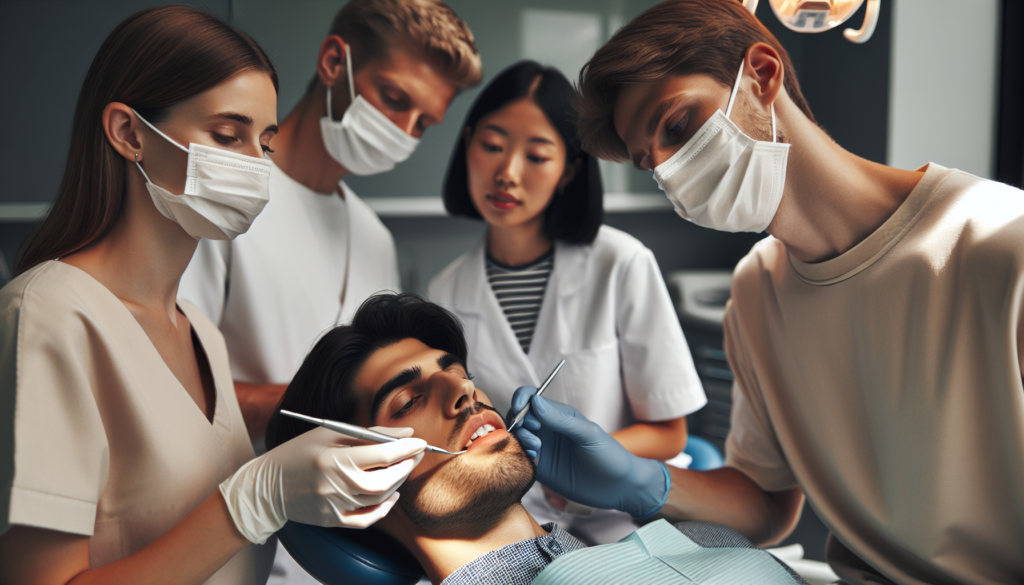
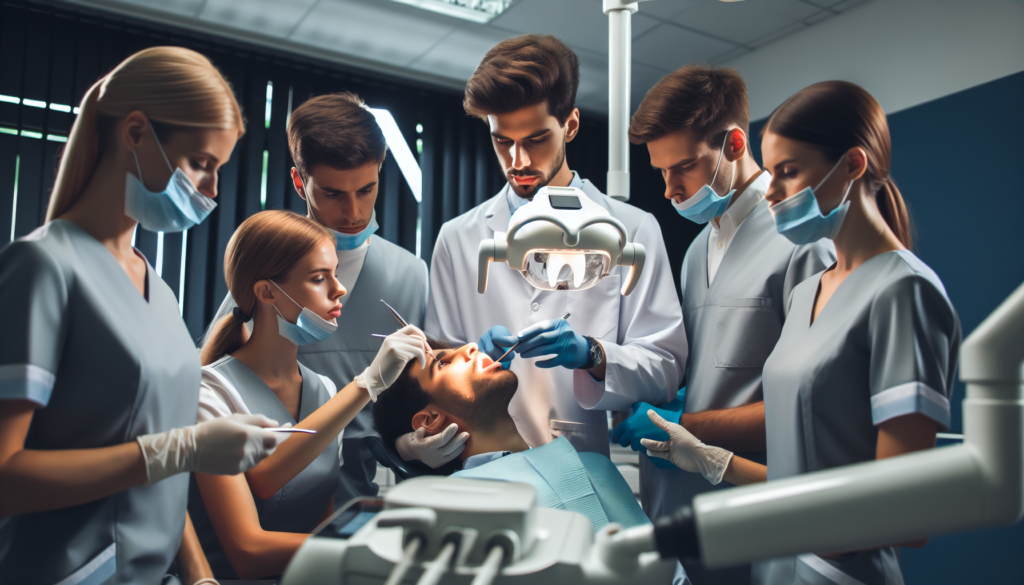
In-office procedures are performed by your dentist, typically completing in a single visit that lasts about one hour. These treatments use high-concentration whitening gels activated by a special light or laser to maximize brightness. The results are both immediate and noticeable, often lightening teeth by several shades in just one session.
Take-Home Whitening Kits
For patients who prefer treatment in the comfort of their home, dentists can provide custom-made trays and safe, lower-concentration whitening gels. Though these take longer—usually one to two weeks—the resulting brightness can be equally impressive when instructions are followed carefully.
The Confidence Connection
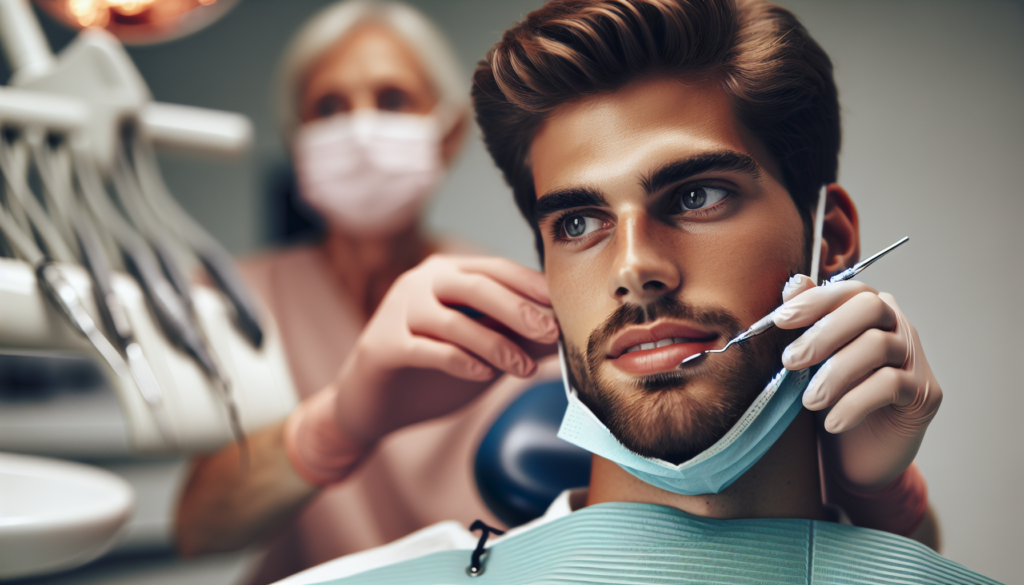
Whitening your teeth can do more than enhance your appearance—it can change how you feel about yourself. Studies consistently show a link between dental aesthetics and self-confidence. A brighter smile encourages people to smile more frequently, reducing self-consciousness in social interactions and professional environments.
- First impressions matter: A whiter smile can project approachability and confidence, which can improve both personal and professional relationships.
- Increased motivation for oral care: When people see the visible results of whitening, they often develop stronger hygiene habits, maintaining their appearance through consistent care.
- Emotional uplift: Seeing a brighter reflection can improve your outlook and even boost your motivation to make other positive lifestyle changes.
Health Benefits Beyond the Aesthetics
Many people pursue whitening for cosmetic reasons, but there’s more to it than an improved smile. Professional whitening treatments provided in a clinical environment also encourage healthier oral hygiene habits. Here’s how this simple procedure promotes better oral health:
- Regular dental visits: Whitening treatments require professional consultation, ensuring your dentist evaluates the overall condition of your teeth and gums.
- Improved plaque control: Patients often brush and floss more diligently to maintain their results, reducing the risk of cavities and gingivitis.
- Early detection: The pre-treatment exam allows your dentist to identify early signs of decay, damage, or infection—leading to faster treatment and prevention.
By combining aesthetic results with improved hygiene, whitening becomes a positive feedback loop—health fosters beauty, and beauty motivates health.
Safe Whitening Options and Myths
There are many misconceptions about teeth whitening, but with professional care, the process is entirely safe. It’s important to distinguish between myths and evidence-based facts.
- Myth: “Whitening damages enamel.”
Fact: Professional whitening uses pH-balanced formulas designed to protect tooth enamel while removing stains. - Myth: “It causes permanent sensitivity.”
Fact: Some patients experience mild, temporary sensitivity that fades within a few days and can be managed with desensitizing components. - Myth: “All whitening products are the same.”
Fact: Over-the-counter kits often produce uneven or limited results compared to supervised treatments that use customized trays and professional-grade formulations.
Maintaining Your Whitening Results
Once your smile has been whitened, maintaining its brilliance is key. Lifestyle habits and consistent oral care routines can greatly influence how long your results last.
Daily Habits for Long-Lasting Brightness
- Brush twice daily: Use a soft-bristled toothbrush and fluoride toothpaste to keep stains from developing.
- Floss regularly: Plaque buildup between teeth can cause discoloration—daily flossing keeps these tight areas clean.
- Rinse after consuming dark beverages: Swishing water immediately after coffee, tea, or red wine helps reduce surface staining.
- Use a whitening toothpaste occasionally: Mild abrasives help remove surface stains between treatments.
Regular Dental Care
Scheduling professional cleanings every six months ensures plaque and tartar don’t dull your smile. Your dentist may recommend touch-up whitening sessions every 6–12 months depending on your habits and natural enamel shade.
Choosing the Right Whitening Treatment for You
Every smile is unique, which means a tailored approach is essential. Your dentist will assess factors like enamel strength, gum health, and existing restorations before recommending the ideal treatment type. Patients with deep intrinsic stains or bonding materials may need alternative cosmetic solutions, such as bonding or veneers, to achieve a uniform shade.
If you’re considering teeth whitening, consult your dentist rather than self-diagnosing with online products. Customized whitening delivers better results with minimal risk to your teeth and gums.
Frequently Asked Questions
1. How long does professional teeth whitening last?
Results typically last from six months up to two years, depending on dietary habits, lifestyle, and oral hygiene routines.
2. Is teeth whitening safe for everyone?
It is safe for most adults. However, pregnant or breastfeeding women and patients with untreated cavities or gum disease should wait until their oral health issues are addressed.
3. Can whitening cause tooth sensitivity?
Mild sensitivity is common but temporary. Using desensitizing toothpaste and following your dentist’s aftercare advice usually resolves this within a few days.
4. Will whitening affect crowns or fillings?
No, whitening agents do not change the shade of existing dental restorations. Your dentist may suggest replacement if color mismatch occurs after treatment.
5. How can I keep my teeth white longer?
Maintain consistent brushing and flossing habits, avoid dark-colored drinks, and consider periodic professional touch-ups to preserve brightness.
Confidence begins with small, powerful habits—and a vividly bright smile can help spark that change. Take the first step toward a healthier, happier version of yourself with a brighter, more confident smile. Discover “The Habit Method” to build the daily rhythms that strengthen both health and self-belief.
Post Disclaimer
DentalUp is for educational purposes only and cannot accept personal dental information such as x-rays, photos, or treatment details. See full disclaimer here.