Bridging the Social Media Dental Knowledge Gap: The New Role of Dental Hygienists
Just like small daily habits can transform your life, consistent dental habits can create a lifetime of confident, healthy smiles. Learn more in The Habit Method.
In today’s digital-first world, millions of people begin their health education journey on social media. From TikTok tooth-whitening hacks to “DIY” aligner trends, social media shapes modern oral health decisions more than ever before. Unfortunately, what’s trending isn’t always what’s true — and dental hygienists are stepping up as trusted professionals to bridge this growing social media dental knowledge gap.
According to the American Dental Association (ADA), misinformation about oral health online has contributed to unsafe behaviors and delayed professional care among young adults. By using credible, evidence-based communication, dental hygienists are helping to change that narrative — turning social media into a tool for better oral health awareness instead of confusion.
Why Social Media Matters in Modern Oral Health Education
Patient behavior has evolved alongside digital technology. Research from Pew Research Center reports that nearly 70% of adults turn to social media for health-related information at some point. Platforms like Instagram, YouTube, and TikTok have blurred the line between fact and entertainment, making it easy for misinformation to spread rapidly.
- TikTok: Short-form videos showing quick fixes or dental “hacks.”
- Instagram: Visual posts showcasing cosmetic trends, oral care routines, and before-and-after stories.
- YouTube: Long-form tutorials and patient testimonials explaining dental care experiences.
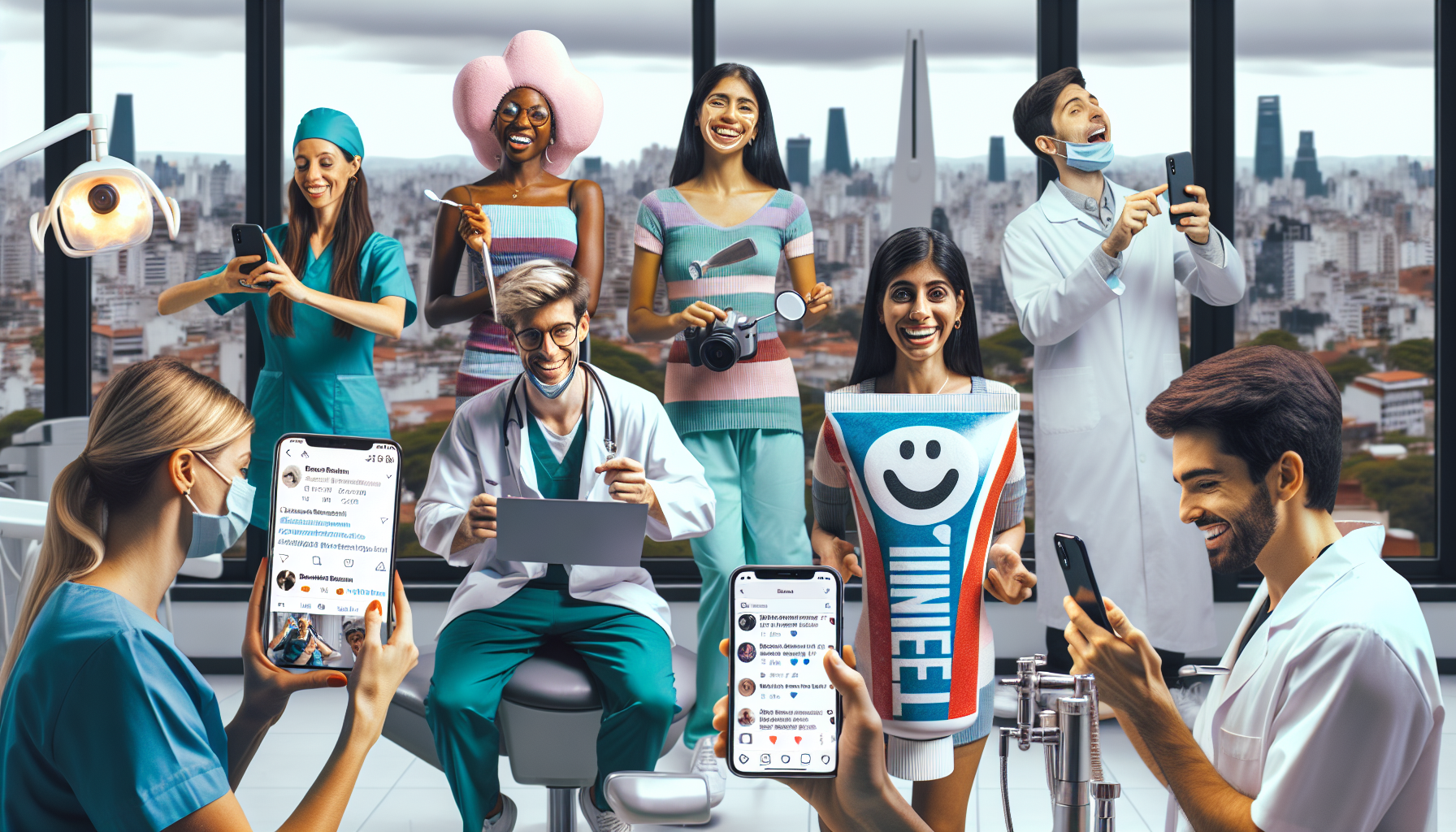
While these platforms offer opportunities for education, they also amplify unverified claims. That’s why social media dental education has become an essential part of modern patient outreach — and dental hygienists are leading this transformation.
Dental Hygienists as Trusted Voices in the Digital Space
Dental hygienists hold a unique position: they blend clinical expertise with direct patient connection. Their voice carries credibility in a space often dominated by influencers without dental credentials. Through engaging posts and videos, hygienists are teaching patients to critically evaluate what they see online.
Examples of evidence-based content shared by hygienists include:
- Demonstrating proper flossing technique or interdental brush use.
- Explaining fluoride’s preventive benefits using clear visuals and simple language.
- Debunking “natural whitening” myths, referencing Journal of Dental Hygiene studies on enamel erosion.
- Encouraging regular preventive care through authentic, approachable messaging.
By consistently offering evidence-based dental content, hygienists reinforce the importance of trusted oral health education and model digital professionalism.
Combating Misinformation: How Hygienists Educate Online
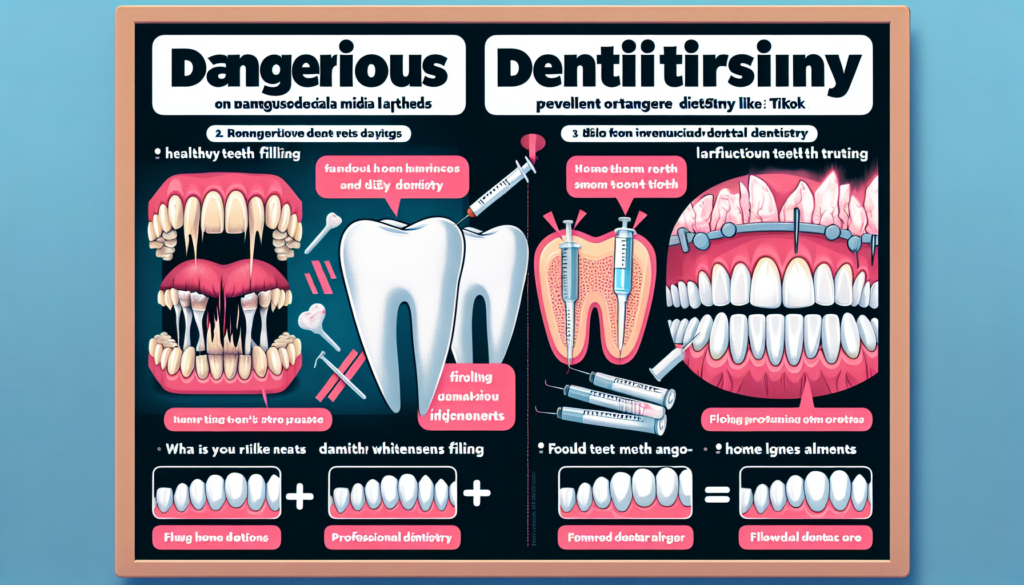
Misinformation online can be as subtle as a viral “coconut oil rinse challenge” or as dangerous as a DIY tooth filing video. These trends exploit curiosity and convenience, appealing to viewers’ desire for quick results. But when misinformation causes harm, patients lose trust — not only in content creators, but sometimes in dentistry itself.
Hygienists are countering this through clear communication grounded in science. The key is translation — turning complex dental information into practical advice.
- Myth: Lemon juice whitens teeth naturally.
Fact: Acidic liquids erode enamel and increase sensitivity. — Journal of the American Dental Association (JADA) - Myth: Charcoal toothpaste is safer for whitening.
Fact: Studies show it’s abrasive and lacks proven whitening efficacy. — British Dental Journal - Myth: You don’t need dental checkups if your teeth don’t hurt.
Fact: Most dental diseases are painless in early stages. Regular visits enable prevention. — ADA
By actively debunking these myths online, hygienists bridge the dental knowledge gap while encouraging healthier digital habits — like checking sources before sharing content.
Storytelling and Engagement Strategies for Hygienists on Social Media
Educational posts are most impactful when they’re also relatable. Hygienists who share personal experiences, wellness insights, or day-in-the-life moments connect with viewers on a human level. This mix of expertise and empathy strengthens credibility and encourages habits of gratitude and care among followers.
Effective digital storytelling strategies include:
- Personal Connection: Sharing how consistent habits, like nightly flossing or using a water flosser, lead to health improvements over time.
- Visual Demonstrations: Short videos showing proper brushing technique or interdental care tools.
- Interactive Engagement: Polls, Q&A sessions, and comment responses to foster open dialogue.
- Positive Reinforcement: Encouraging small daily improvements and celebrating patient successes, with privacy respected.
These human-centered stories turn social media into an extension of patient education — building awareness through consistent, compassionate communication.
Building Stronger Patient Relationships Through Digital Engagement
An active, educational social presence does more than gain followers — it builds trust. Patients appreciate hygienists who share insights generously and transparently. This trust online can translate directly to stronger in-office relationships and better health outcomes.
- Early Education: Patients arrive more informed and motivated about oral hygiene routines.
- Empowerment: Viewers develop a proactive attitude toward preventive care.
- Continuity: Online education supports ongoing patient communication between appointments.
Integrating digital engagement for dental professionals into practice operations creates a seamless experience where education extends far beyond the dental chair.
The Future of Oral Health Education in the Digital Era
As online education continues evolving, the dental community’s responsibility to uphold accuracy and trust grows stronger. The future belongs to those who communicate effectively across both clinical and digital landscapes. Hygienists, with their preventive focus and patient rapport, are ideally positioned to guide this educational shift.
Encouraging more dental hygienists on social media strengthens the collective credibility of the profession. Through collaboration, mentorship, and continuing education, hygienists can lead a movement of reliable, engaging oral health awareness online.
Key Takeaways for Dental Professionals
- Start a social media presence: Focus on credible, evidence-based messaging tailored to your audience’s needs.
- Balance professionalism with authenticity: Share your expertise while honoring your personality and ethics.
- Stay informed: Follow reputable dental associations and journals to ensure accuracy.
- Practice consistency: Post regularly to build recognition and trust among followers.
Frequently Asked Questions
- 1. Why is social media important for dental hygienists?
Social media platforms allow hygienists to share accurate oral health information, combat misinformation, and reach patients who may not otherwise seek professional advice. - 2. What are some common dental myths on social media?
Popular myths include “charcoal whitens teeth safely” and “oil pulling replaces flossing.” These claims are unsupported by scientific evidence and can harm oral health. - 3. How can hygienists maintain professionalism online?
Hygienists should provide unbiased, evidence-based education, protect patient privacy, and use verified sources when posting. - 4. What types of content perform well for dental education?
Short videos, infographics, patient-friendly tutorials, and myth-busting posts are engaging and easy for audiences to share. - 5. How can online engagement improve patient trust?
When hygienists share authentic, educational content and answer common questions openly, it builds credibility and reinforces the value of preventive dental care.
Conclusion
The digital landscape presents both challenges and remarkable opportunities for dental professionals. By embracing social media responsibly, dental hygienists can help close the dental knowledge gap and inspire better oral hygiene habits worldwide.
Great change begins with small, consistent habits — just as daily brushing and flossing preserve a lifetime of health. Continue building strong, positive routines with guidance from The Habit Method.
Post Disclaimer
DentalUp is for educational purposes only and cannot accept personal dental information such as x-rays, photos, or treatment details. See full disclaimer here.