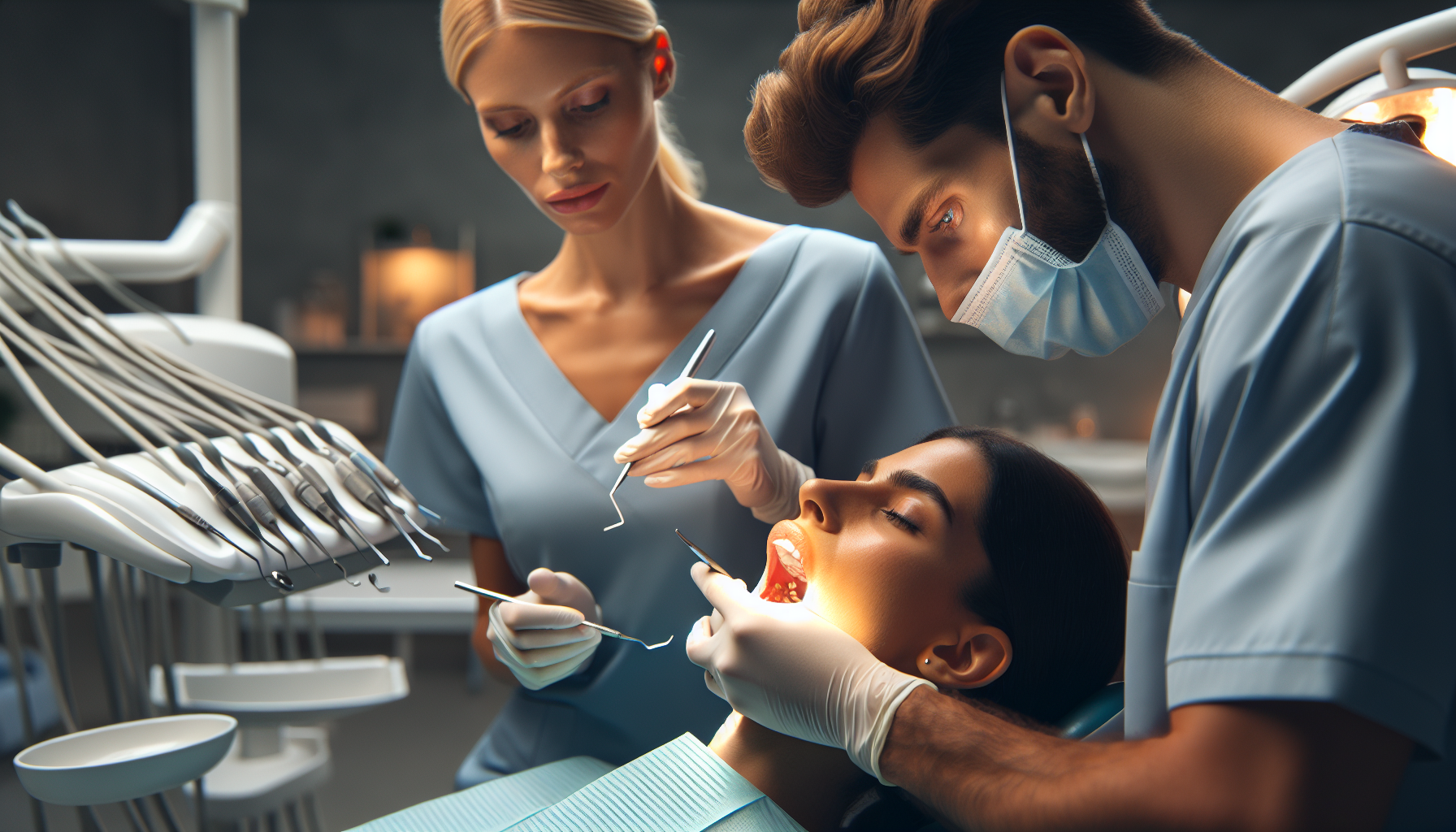
Microbial Community Shifts During Early Dental Implant Colonization
New research published in *Experimental & Molecular Medicine* explores how microbial communities evolve during the first stages of dental implant placement. The study, **“Microbial Community Shifts During Early Dental Implant Colonization,”** reveals that significant bacterial changes occur shortly after implant insertion—potentially influencing long-term implant success. By tracking microbial patterns over time, scientists identified key species linked to healthy osseointegration and early signs of peri-implant disease. These findings could pave the way for innovative diagnostic tools and preventive strategies to enhance implant longevity and oral health outcomes.
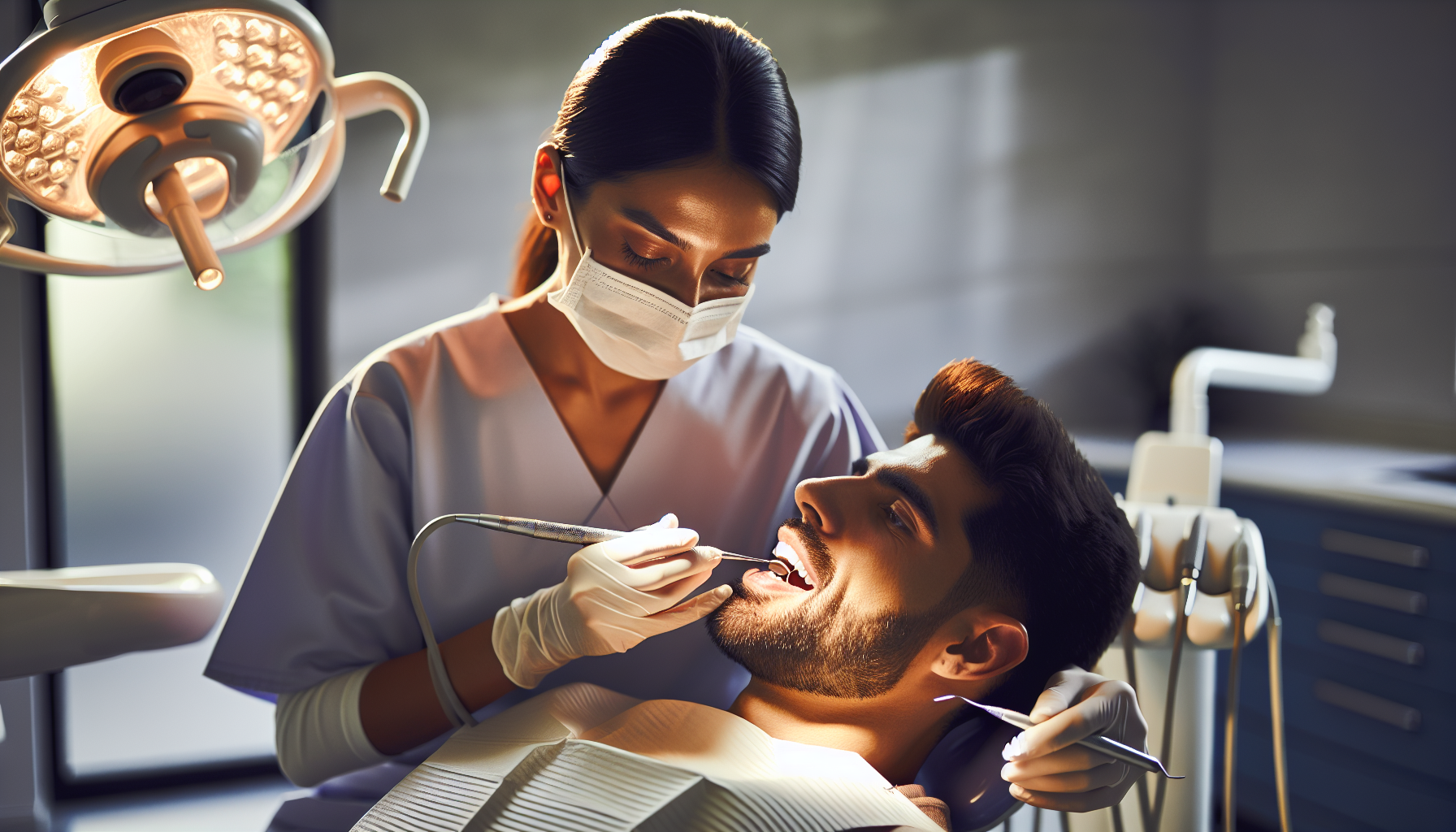
Essential Follow-Up Care Strategies for Long-Term Dental Implant Success
Maintaining the longevity of dental implants goes beyond the surgical procedure—consistent follow-up care is key to long-term oral health. This article explores evidence-based post-implant maintenance strategies, including regular professional checkups, individualized hygiene protocols, and early detection of peri-implant complications. Discover how collaborative care between patients and dental professionals enhances implant stability, ensures tissue health, and maximizes success rates for years to come.
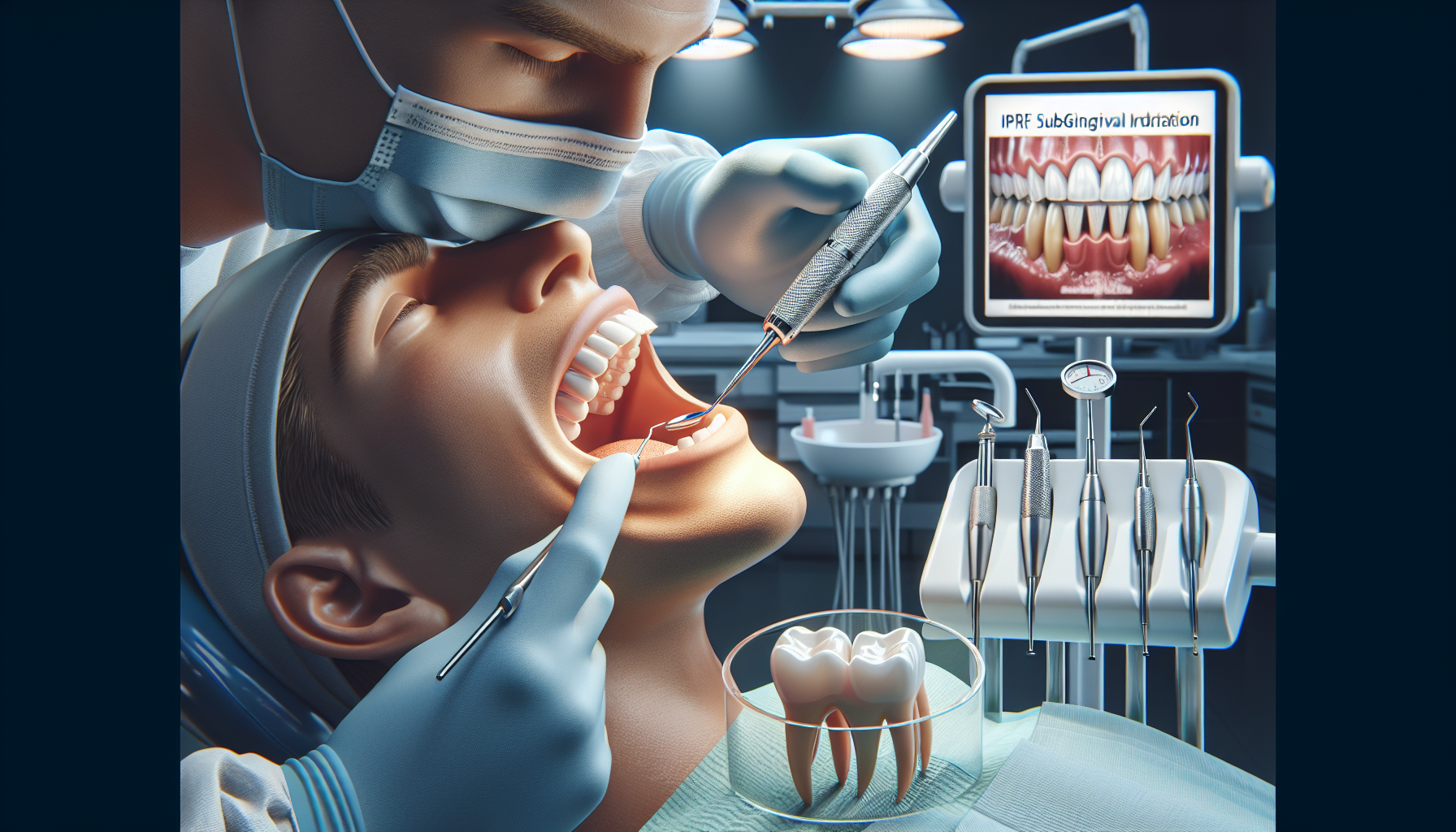
iPRF Subgingival Irrigation Boosts Non Surgical Peri Implantitis Treatment
A recent clinical study reveals that incorporating injectable platelet-rich fibrin (iPRF) subgingival irrigation significantly enhances the effectiveness of non-surgical treatment for peri-implantitis. Researchers found that combining iPRF with mechanical debridement led to improved clinical outcomes, including reduced inflammation, better implant stability, and overall healthier peri-implant tissues compared to conventional approaches alone. This breakthrough highlights the potential of regenerative biologics in modern implant dentistry, offering a minimally invasive yet highly effective solution for managing peri-implant disease.

Impact of 2017 Periodontal Classification on Dental Student Accuracy
The 2017 Periodontal Classification introduced significant changes in diagnosing and staging periodontal diseases, reshaping how dental students approach case assessments. A recent study analyzed its impact on diagnostic accuracy among students, revealing both improvements in consistency and ongoing challenges in correctly applying the new criteria. By standardizing definitions of periodontitis and staging based on severity and complexity, the updated framework offers clearer guidelines, yet highlights the need for enhanced educational strategies to ensure future clinicians can apply classifications with precision. This shift underscores the importance of curriculum updates, hands-on training, and evidence-based teaching to prepare students for accurate periodontal diagnosis in modern dental practice.

Understanding Implant Associated Diseases and Prevention Tips
Dental implants can transform smiles, but without proper care they may lead to implant-associated diseases such as peri-implant mucositis and peri-implantitis. These conditions, often caused by poor oral hygiene, bacterial buildup, or lifestyle factors, can compromise both oral health and implant success. Recognizing early signs—such as inflammation, bleeding, or discomfort—along with preventive measures like professional cleanings, tailored home care routines, and risk factor management, plays a vital role in protecting implants long-term. Understanding prevention strategies ensures healthier outcomes and supports the longevity of dental implants.

Peri Implant Health and Cortisol Levels in Mental Disorders
A new study published in *Scientific Reports* explores the link between peri-implant health, stress hormone cortisol levels, and the presence of mental disorders. Researchers found that individuals with psychiatric conditions may face higher risks of peri-implant complications due to elevated stress responses and challenges in maintaining oral hygiene. The findings highlight the importance of integrating psychological and dental care, emphasizing that mental health can directly influence oral health outcomes. This research opens new perspectives for personalized treatment strategies in implant dentistry and underscores the need for holistic approaches that consider both biological and psychological factors.

Dental Implants Market Projected Strong Growth Through 2032
The global dental implants market is poised for remarkable expansion through 2032, driven by rising demand for advanced oral care solutions, technological innovations, and growing awareness of dental health. Increasing cases of tooth loss, an aging population, and a higher preference for aesthetically appealing dental restorations are fueling market growth. With strong adoption of premium materials such as titanium and zirconium, alongside minimally invasive procedures, the industry is set to witness robust CAGR in the coming years. Key players are focusing on research, product development, and strategic collaborations to capture emerging opportunities, positioning the dental implants sector as a critical component of future healthcare advancements.
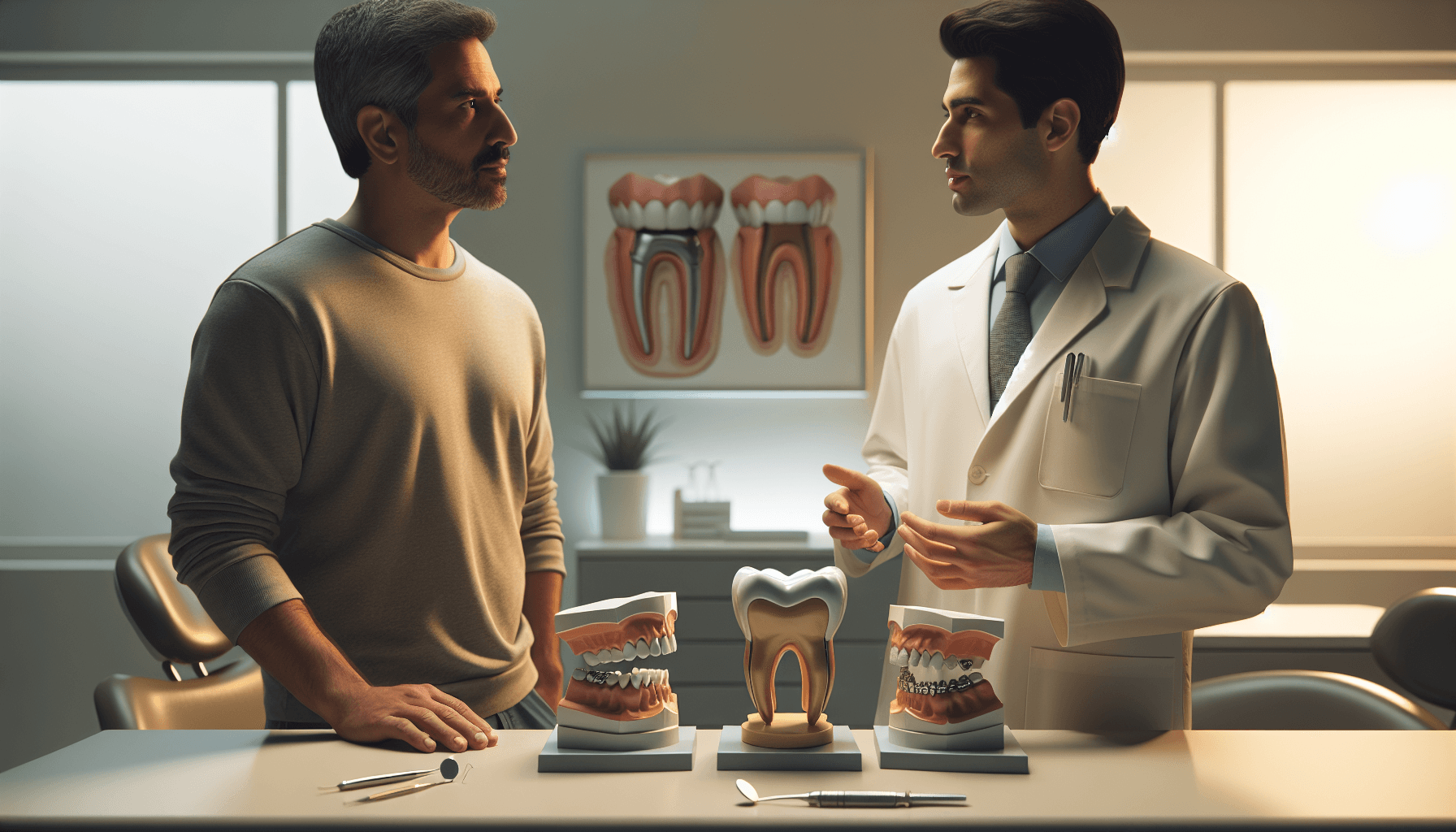
Permanent Dental Implants vs Dentures and Bridges Explained
Discover the key differences between permanent dental implants, traditional dentures, and dental bridges. Learn how implants provide a long-lasting, natural-looking solution for missing teeth compared to removable dentures and fixed bridges, while also supporting jawbone health and improving overall oral function. This guide breaks down the benefits, durability, and comfort of each option to help you make an informed decision on the best tooth replacement treatment for your smile.

Defensive Dentistry Insights Among General Dental Practitioners
A recent study highlights how defensive dentistry is shaping decision-making among general dental practitioners, revealing a growing tendency to prioritize legal protection over clinical judgment. The findings shed light on the pressures driving cautious treatment plans, the impact on patient care, and the broader implications for the future of dentistry. This insight underscores the need for systemic changes to reduce litigation fears while supporting evidence-based, patient-centered oral healthcare.

Top 100 Most Cited Qualitative Dentistry Research Papers Analyzed
Explore qualitative research in dentistry through a Scopus-based bibliometric analysis of the top 100 cited papers (1998–2024). Track citation trends, leading journals, global contributors, methods, and thematic hotspots—from patient experience to oral health inequalities—to inform evidence-based, patient-centered dental research and practice.