Single vs Multiple Visit Root Canal Treatments Systematic Review
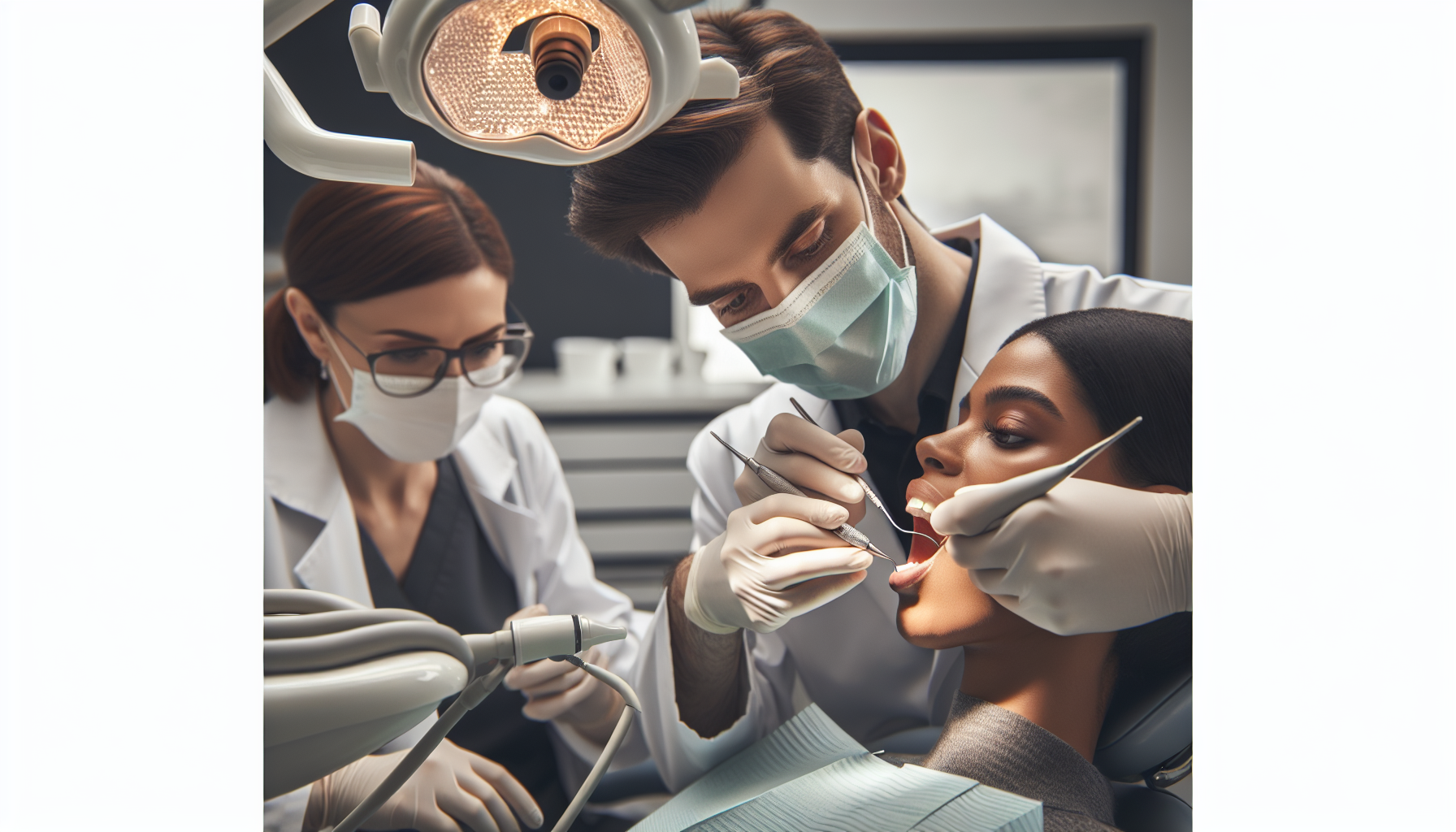
A recent systematic review comparing single-visit and multiple-visit root canal treatments highlights key findings on success rates, post-operative pain, and healing outcomes. The analysis evaluates whether completing endodontic therapy in one appointment delivers results comparable to traditional multi-session approaches. Factors such as microbial control, patient comfort, clinical efficiency, and long-term prognosis are explored to guide dental professionals in evidence-based decision-making. Discover how treatment duration, infection management, and technological advancements influence the choice between single and multiple visit root canal procedures.

Understanding Anxiety and Fear During Non-Surgical Root Canal Treatments
Discover how anxiety and fear impact patients undergoing non-surgical root canal treatments. This article explores research comparing patients’ emotional responses when treated by endodontic residents versus experienced endodontists. Learn what factors influence dental anxiety, how effective communication and pain management reduce fear, and why understanding these emotions leads to better patient experiences and clinical outcomes during endodontic procedures.
Endodontic Treatment Outcomes in HIV Positive vs Negative Patients
A recent clinical comparison explores the success rates of endodontic (root canal) treatments in HIV-positive versus HIV-negative patients, shedding light on how immune status impacts healing and long-term oral health. Findings suggest that with proper infection control and patient management, HIV-positive individuals can achieve comparable outcomes to HIV-negative patients. This research highlights the importance of individualized dental care, early intervention, and continued advancements in endodontic techniques for achieving optimal results across diverse patient populations.
Gingival Phenotype Impact on Dental Implant Success Rates
Emerging research highlights how gingival phenotype—the thickness and quality of gum tissue—can significantly influence dental implant success rates. Patients with a thicker gingival phenotype tend to experience better implant stability, reduced inflammation, and improved long-term esthetics. Conversely, a thinner tissue type may increase the risk of complications such as bone resorption or soft-tissue recession. Understanding the biological and clinical implications of gingival phenotype empowers dental professionals to personalize treatment planning, optimize surgical outcomes, and enhance patient satisfaction in implant dentistry.

Top Myths About Dental Implant Care Debunked for Better Oral Health
Many patients believe dental implants require complicated maintenance or special products, but most of these assumptions are outdated. In reality, implant care is much like caring for natural teeth—consistent brushing, flossing, and professional checkups are key. This blog debunks the top myths about dental implant care, helping you protect your investment and maintain long-term oral health. Discover expert-backed advice to keep your smile strong, your gums healthy, and your implants lasting a lifetime.

Latest Updates in Periodontal and Peri-Implant Disease Classification
Discover the newest breakthroughs in periodontal and peri-implant disease classification transforming modern dentistry. This update highlights key changes in diagnostic criteria, staging, and grading systems that enhance patient care and treatment planning. Learn how these advancements support more accurate clinical assessments, personalized therapies, and long-term oral health outcomes in today’s evolving field of periodontics.
Assessing How Periodontitis Impacts Oral Health and Quality of Life
Periodontitis, a common yet serious gum disease, extends far beyond oral inflammation—it significantly influences overall health and daily quality of life. Recent findings highlight connections between chronic gum infection, tooth loss, and systemic conditions such as cardiovascular disease and diabetes. The study underscores the urgent need for early detection, preventive care, and effective treatment strategies to preserve not only oral function but also emotional and social well-being. Understanding how periodontitis affects patients holistically can empower individuals and healthcare professionals to prioritize comprehensive oral health management.
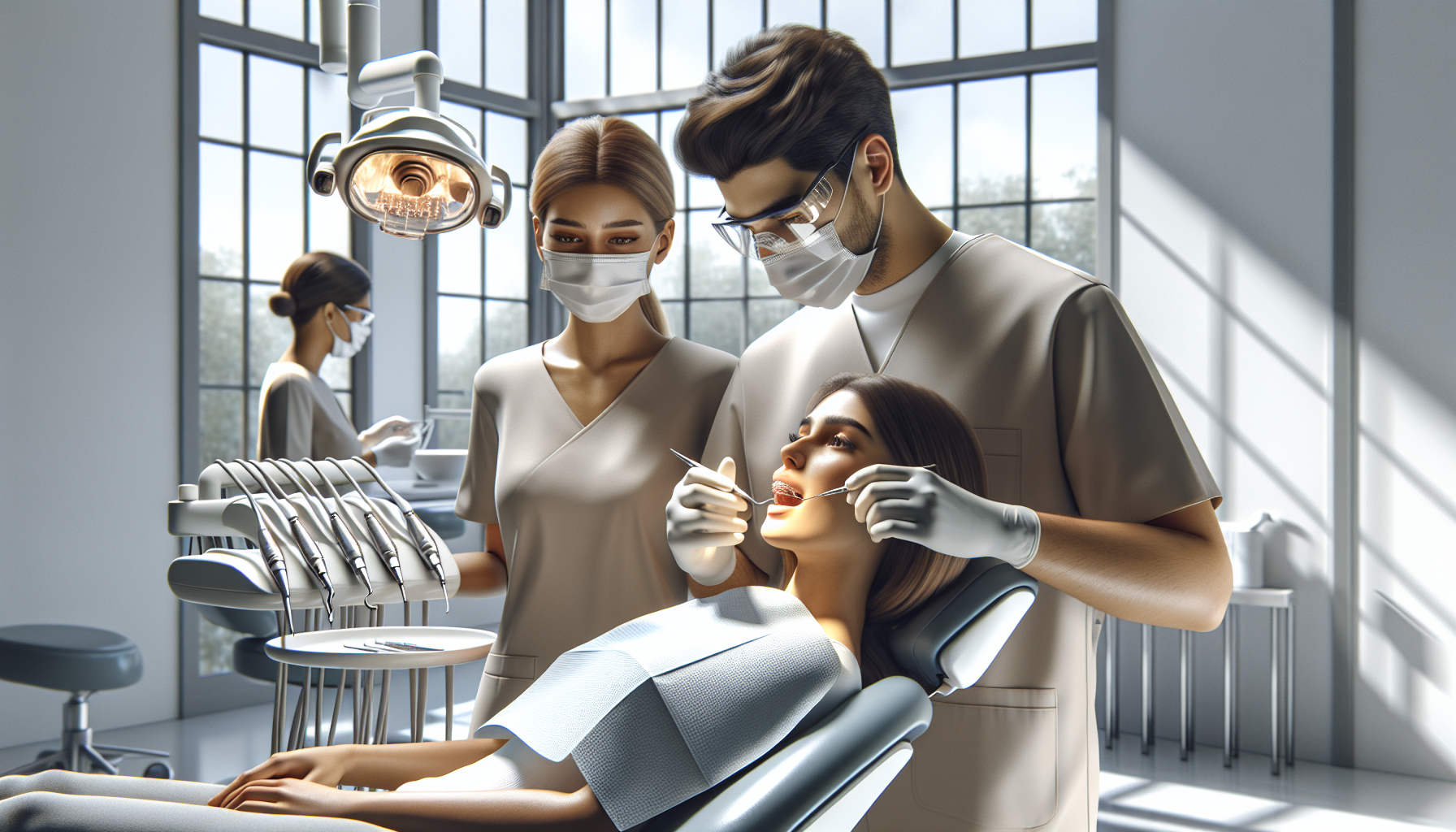
Orthodontic Treatment Guidelines for Patients with Periodontal Disease
Discover the latest orthodontic treatment guidelines for patients with periodontal disease, as outlined in a new study published in *Experimental & Molecular Medicine*. This research highlights how careful treatment planning, interdisciplinary collaboration, and personalized care can help ensure safe and effective orthodontic outcomes for individuals with compromised periodontal health. Learn how new evidence-based protocols are redefining best practices to minimize risks, enhance bone and tissue stability, and improve long-term oral health results.

Improving Patient Communication in Implant Dentistry with AI Prompt Engineering
Artificial intelligence is transforming implant dentistry by enhancing how professionals communicate with patients. Recent research explores the use of AI prompt engineering to create clearer, more empathetic, and personalized interactions throughout the dental implant process. By integrating natural language models, clinicians can simplify complex information, improve patient understanding, and foster stronger trust. This innovative approach not only streamlines consultation workflows but also elevates the overall patient experience, marking a crucial step toward smarter, patient-centered dental care.
Bone Regeneration Key for Successful Dental Implants After Extraction
Discover how bone regeneration plays a vital role in the long-term success of dental implants following tooth extraction. A new study highlights the importance of preserving and rebuilding jawbone density to ensure implant stability, faster healing, and improved oral health outcomes. Learn about the latest regenerative dentistry techniques and evidence-based approaches that are transforming implant procedures for lasting, natural-looking results.