Dangerous Teeth Whitening Hacks Dentists Warn You to Avoid
Just like small daily habits can transform your life, consistent dental habits can create a lifetime of confident, healthy smiles. Learn more in The Habit Method.
I. Introduction: The Rise of DIY Teeth Whitening Trends
In an age dominated by social media, it’s easy to stumble upon quick-fix beauty trends that promise instant results—including DIY teeth whitening hacks. Short videos on platforms like TikTok and Instagram often showcase people rubbing household ingredients on their teeth, claiming dramatic whitening results in minutes.
But while your smile is one of your most defining features, pursuing shortcuts to achieve pearly whites can do more harm than good. Many of these so-called natural or cost-free hacks can have serious consequences for your oral health. Dentists are increasingly concerned about the growing number of patients with damaged enamel and sensitive teeth from unsafe whitening methods.
II. Popular DIY Teeth Whitening Tricks That Can Harm Your Teeth
Here are some of the most common DIY teeth whitening tricks making the rounds online—and why you should avoid them.
1. Hydrogen Peroxide and Baking Soda Mixtures
While hydrogen peroxide is an ingredient in some professional whitening systems, DIY mixtures with uncontrolled concentrations can be highly corrosive. Baking soda adds abrasiveness, which may lead to enamel thinning. Prolonged use of this combination can cause tooth sensitivity and irreversible enamel loss.
— American Dental Association (ADA), on the misuse of hydrogen peroxide in DIY whitening
2. Rubbing Acidic Fruits Like Lemons and Strawberries
Many online influencers promote rubbing strawberries or lemon juice on teeth to “dissolve” stains. The truth: citric acid erodes enamel, the outer protective layer of your teeth. Once enamel wears away, it does not regenerate—leaving your teeth vulnerable to decay, discoloration, and sensitivity.
3. Activated Charcoal and Its Abrasive Effects
Activated charcoal products claim to detoxify and whiten teeth naturally. However, studies show there’s little scientific evidence that charcoal provides any whitening benefit. Its abrasive particles can scrape away enamel and gum tissue, leading to long-term oral damage.
— Journal of the American Dental Association (JADA), 2017
4. Using Household Cleaning Products as Whitening Agents
Some viral challenges have even shown people applying hydrogen peroxide from cleaning bottles or diluted bleach on their teeth. These substances are unsafe for oral use under any circumstances. They can cause severe burns, tissue damage, and systemic toxicity if ingested or absorbed through the gums.
III. The Real Dangers of At-Home Teeth Whitening Hacks
While DIY methods might seem harmless, the at-home teeth whitening risks can have lasting effects on both appearance and function.
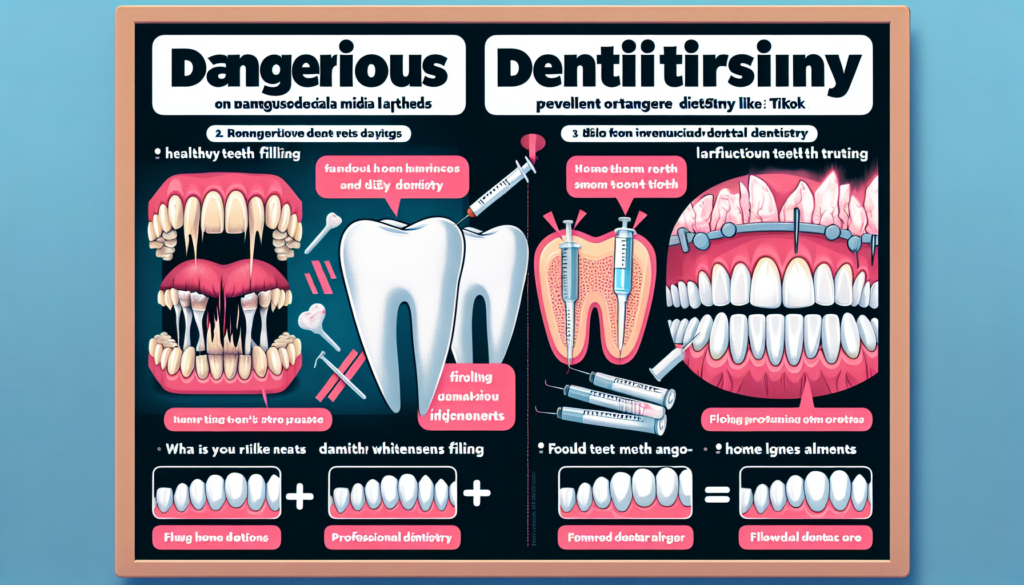
- Enamel Erosion: Overly acidic or abrasive substances strip away enamel, permanently weakening your teeth’s natural structure.
- Gum Irritation: Uncontrolled use of peroxide or acids can irritate or burn gum tissue, causing inflammation and discomfort.
- Heightened Tooth Sensitivity: Exposed dentin from eroded enamel can make you more sensitive to temperature and sweets.
- Long-Term Oral Health Risks: Once enamel is lost, bacteria can penetrate more easily, increasing your risk for cavities and tooth decay.
In short, these dangerous teeth whitening hacks deteriorate the protective barrier your teeth rely on for strength and health.
IV. Why Professional Teeth Whitening Is a Safer Choice
Unlike unregulated at-home mixtures, professional teeth whitening treatments are scientifically tested and supervised to ensure safety and effectiveness.
How In-Office Whitening Protects Enamel
Professional whitening treatments use controlled concentrations of whitening agents that are safely applied by dental professionals. The enamel remains intact, and protective gels minimize irritation to gums and soft tissues.
Benefits of Dentist-Supervised Treatments
- Customized treatments that address your unique shade and sensitivity concerns.
- Faster and more consistent results compared to DIY options.
- Monitoring to prevent overuse or soft tissue injury.
Differences Between Professional vs. At-Home Results
Clinically administered whitening yields noticeably brighter and longer-lasting results without the guesswork. On the other hand, DIY hacks often offer minimal to temporary effects while compromising your dental health over time.
V. Safe Alternatives for a Brighter Smile at Home
If you prefer whitening at home, there are safe teeth whitening methods approved by dental professionals that can gently enhance brightness without damage.
- ADA-Approved Whitening Toothpaste or Strips: These products use low concentrations of bleaching agents proven to be enamel-safe when used as directed.
- Custom Dental Trays: Dentists can provide personalized whitening trays and gels that fit your teeth precisely, reducing gum exposure and maximizing results.
- Daily Oral Care Tips: Brush twice daily with fluoride toothpaste, floss regularly, and rinse with an alcohol-free mouthwash. Limit staining foods like coffee, tea, and red wine.
Consistency—more than any hack—is the key. Whitening is effective when combined with healthy daily habits that preserve enamel and prevent new stains from forming.
VI. Expert Dental Advice: How to Whiten Teeth Safely
What Dentists Recommend Before Starting Whitening Treatments
Before any whitening treatment, get a comprehensive dental exam. Hidden cavities, gum disease, or worn enamel can worsen with bleach exposure. Your dentist can determine if whitening is appropriate and suggest personalized, enamel-safe whitening options that align with your goals.
The Importance of Regular Checkups and Cleanings
Regular professional cleanings remove surface stains and plaque buildup that can make teeth appear dull. This simple and preventive care helps your smile stay brighter naturally—no dangerous shortcuts required.
Remember, whitening should complement, not replace, good oral hygiene. Healthy gums and strong enamel will always make your smile look its best.
VII. Conclusion: Protect Your Smile from Harmful Whitening Hacks
Your smile deserves care rooted in science, not internet fads. By steering clear of dangerous teeth whitening hacks and consulting a trained dental professional, you’re investing in both confidence and long-term health.
Each small, smart decision—like choosing enamel-safe whitening options and maintaining consistent oral care—builds toward a stronger and brighter smile over time. For inspiration beyond your dental routine, discover how small daily actions can spark bigger transformations in your life through The Habit Method.
Frequently Asked Questions
1. What is the safest way to whiten teeth at home?
The safest at-home methods include using ADA-approved whitening toothpaste or strips. For more controlled results, consult your dentist for custom trays and professional-grade whitening gels.
2. Can baking soda or hydrogen peroxide whiten teeth safely?
Only under professional supervision and in specific concentrations. Frequent or DIY use of these substances can erode enamel and irritate gums. Always consult your dentist before trying such methods.
3. How long do professional teeth whitening results last?
Results can last anywhere from 6 months to 3 years, depending on diet, oral hygiene, and lifestyle habits like coffee or tobacco use. Regular cleanings help extend the brightness.
4. Do whitening products damage enamel?
Whitening products that carry the ADA Seal of Acceptance are formulated to be enamel-safe when used as directed. Avoid abrasive or acidic homemade mixtures that can strip enamel layers.
5. Are natural teeth whitening remedies effective?
Most “natural” remedies circulating online are ineffective or unsafe. Research shows no scientific evidence that fruits, charcoal, or oil pulling can whiten teeth without causing damage.
By choosing science-backed methods and consulting your dental professional, you can enjoy a healthy, radiant smile for years to come.
Post Disclaimer
DentalUp is for educational purposes only and cannot accept personal dental information such as x-rays, photos, or treatment details. See full disclaimer here.